
Last updated November 16, 2026
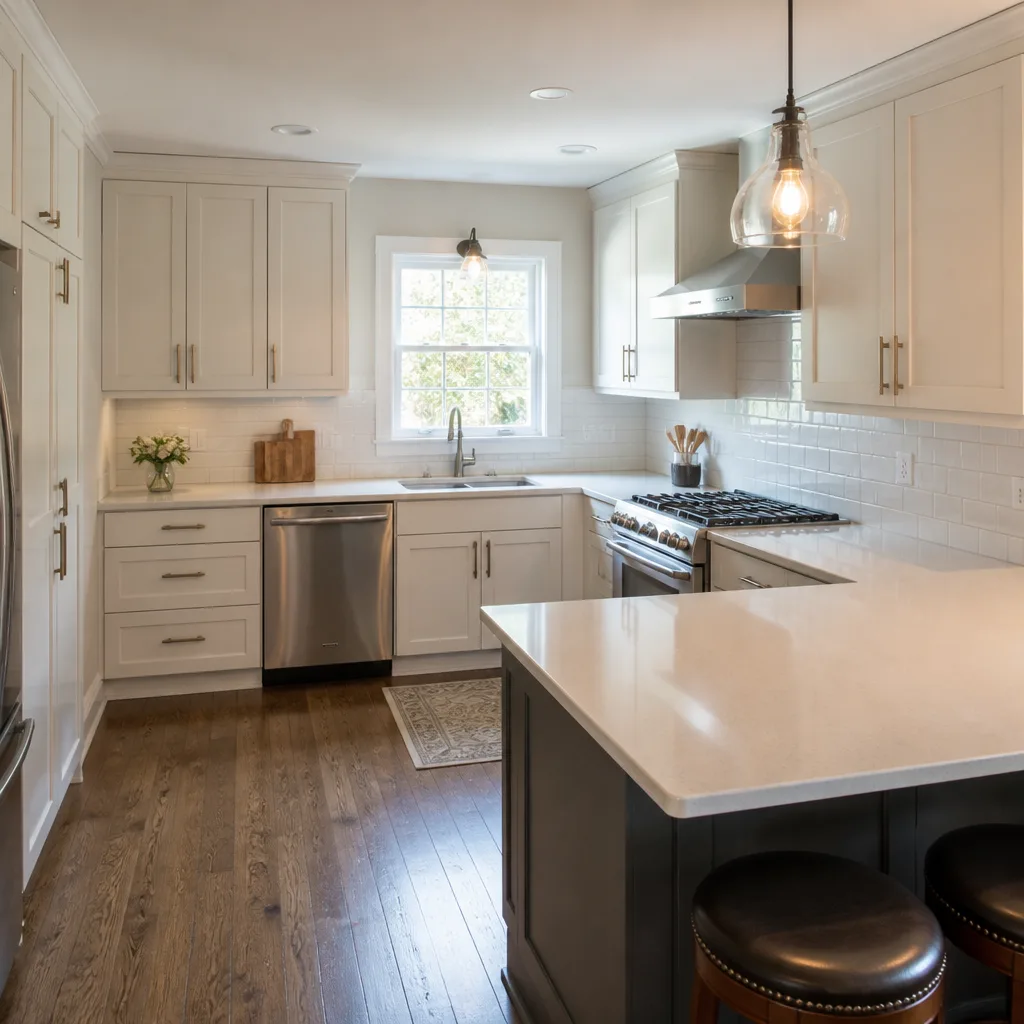 Shaker
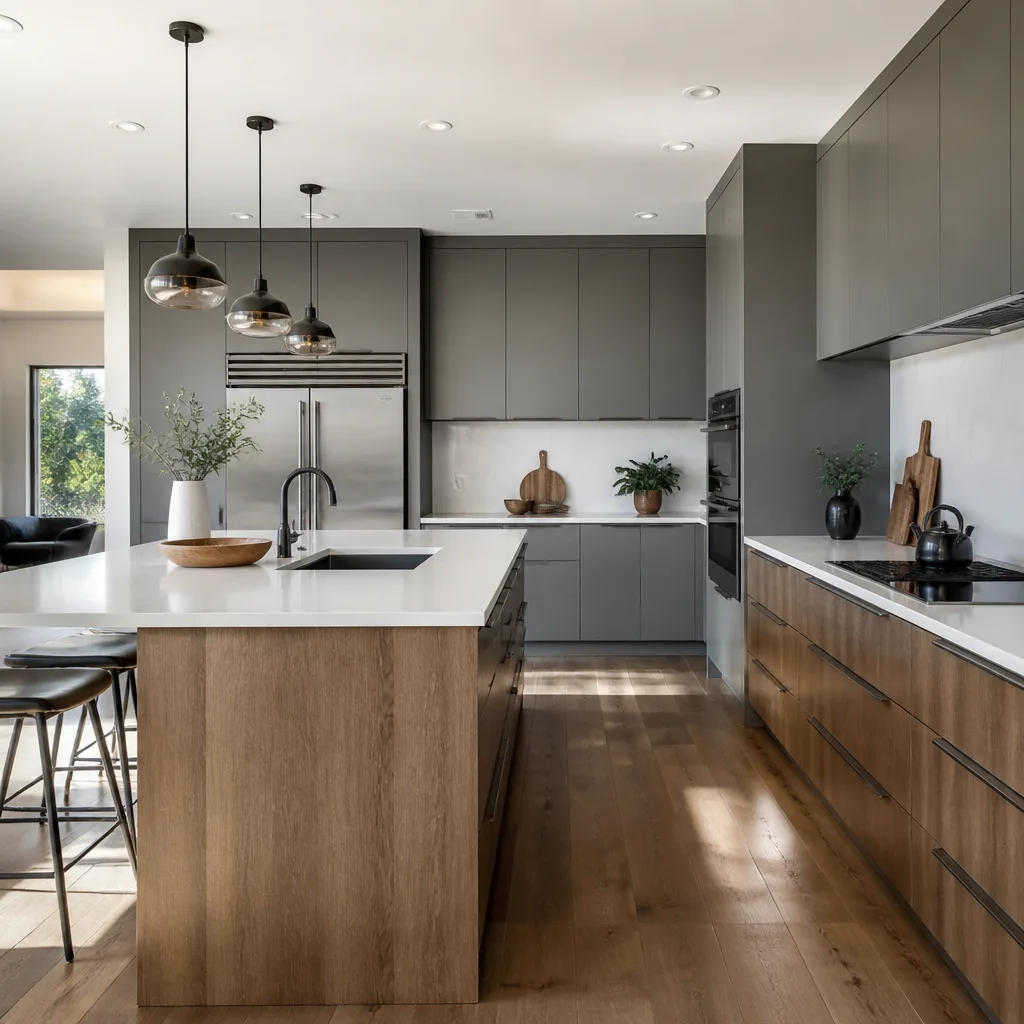 Modern flat-panel
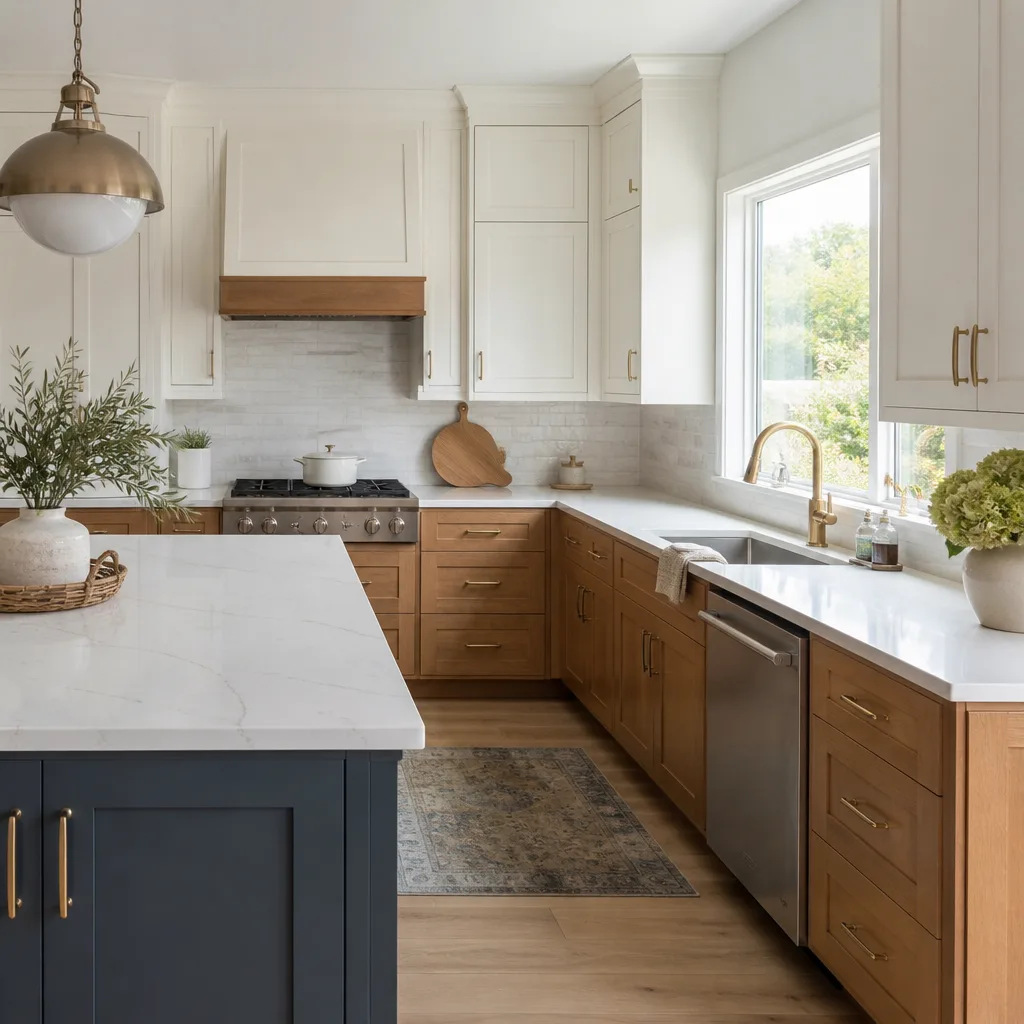 Two-tone cabinets
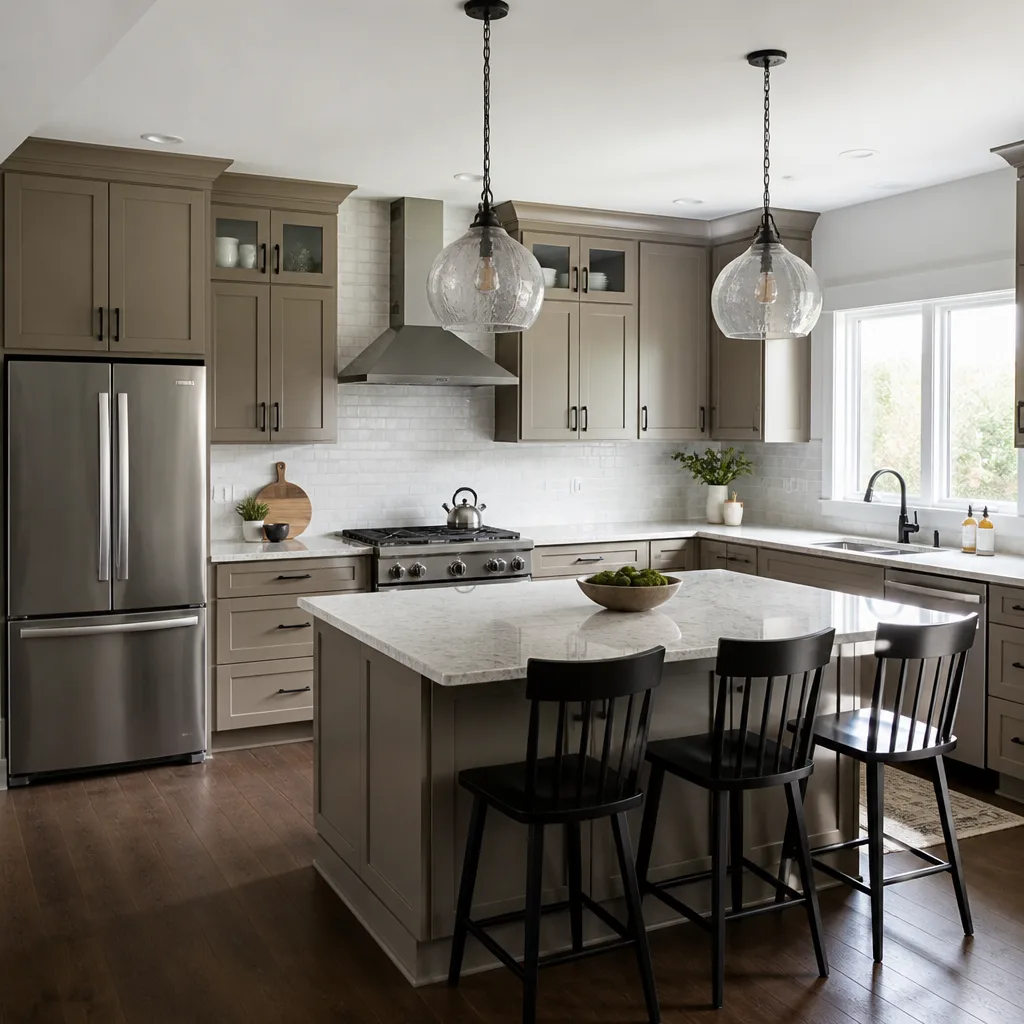 KraftMaid
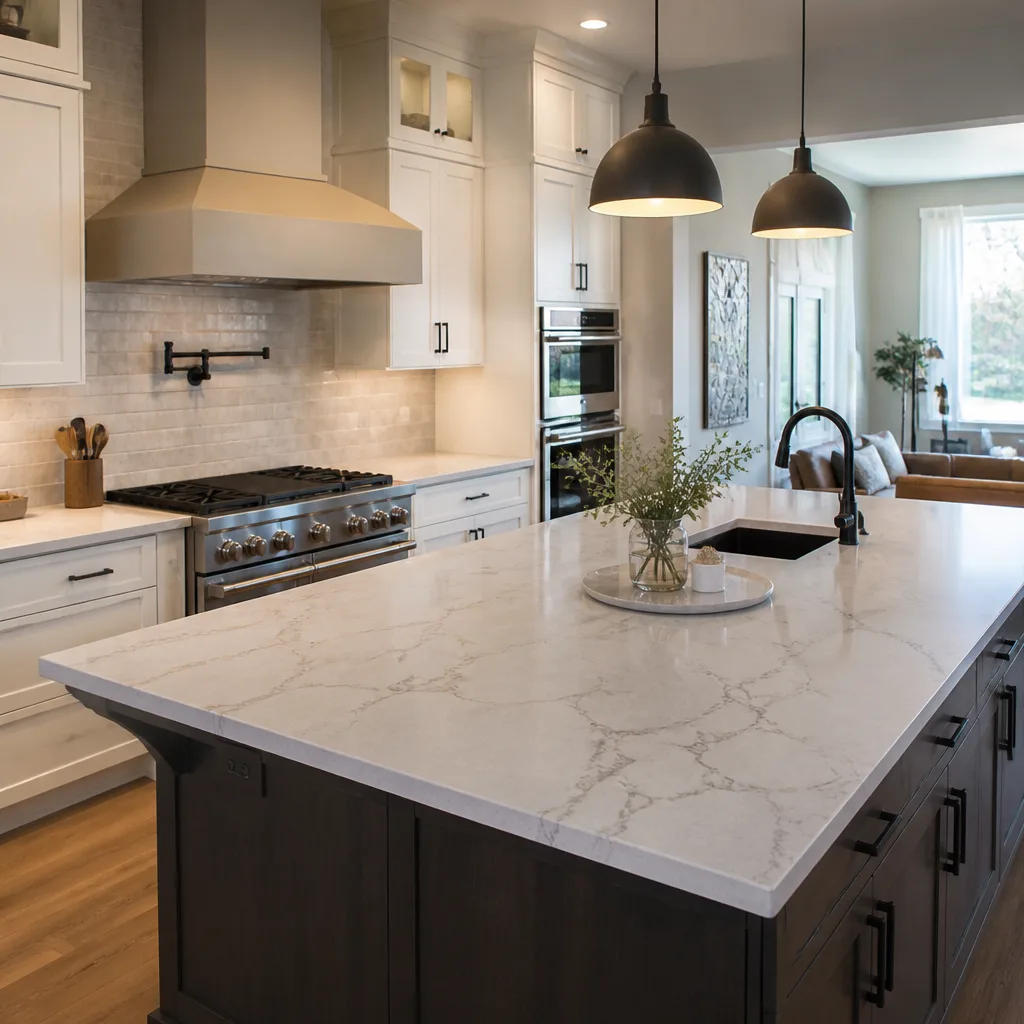 Cambria quartz
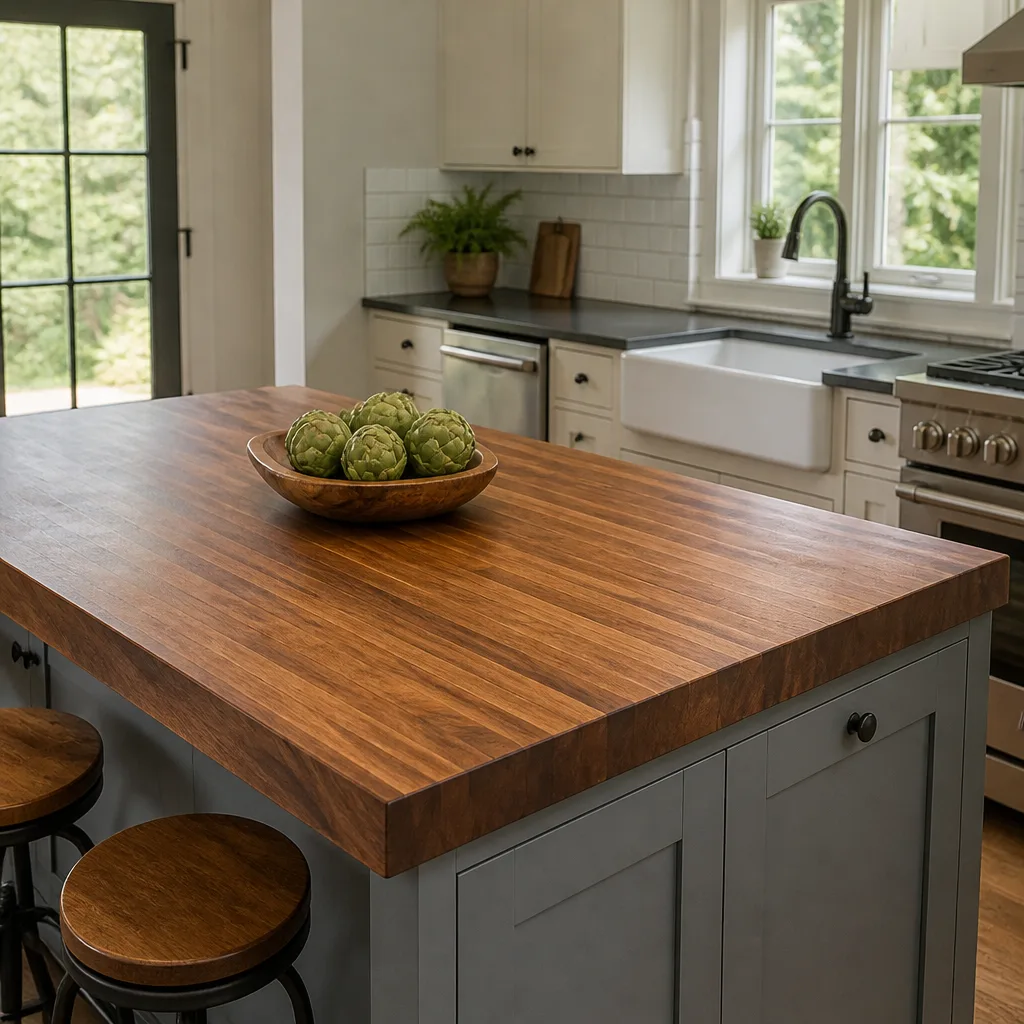 Butcher block
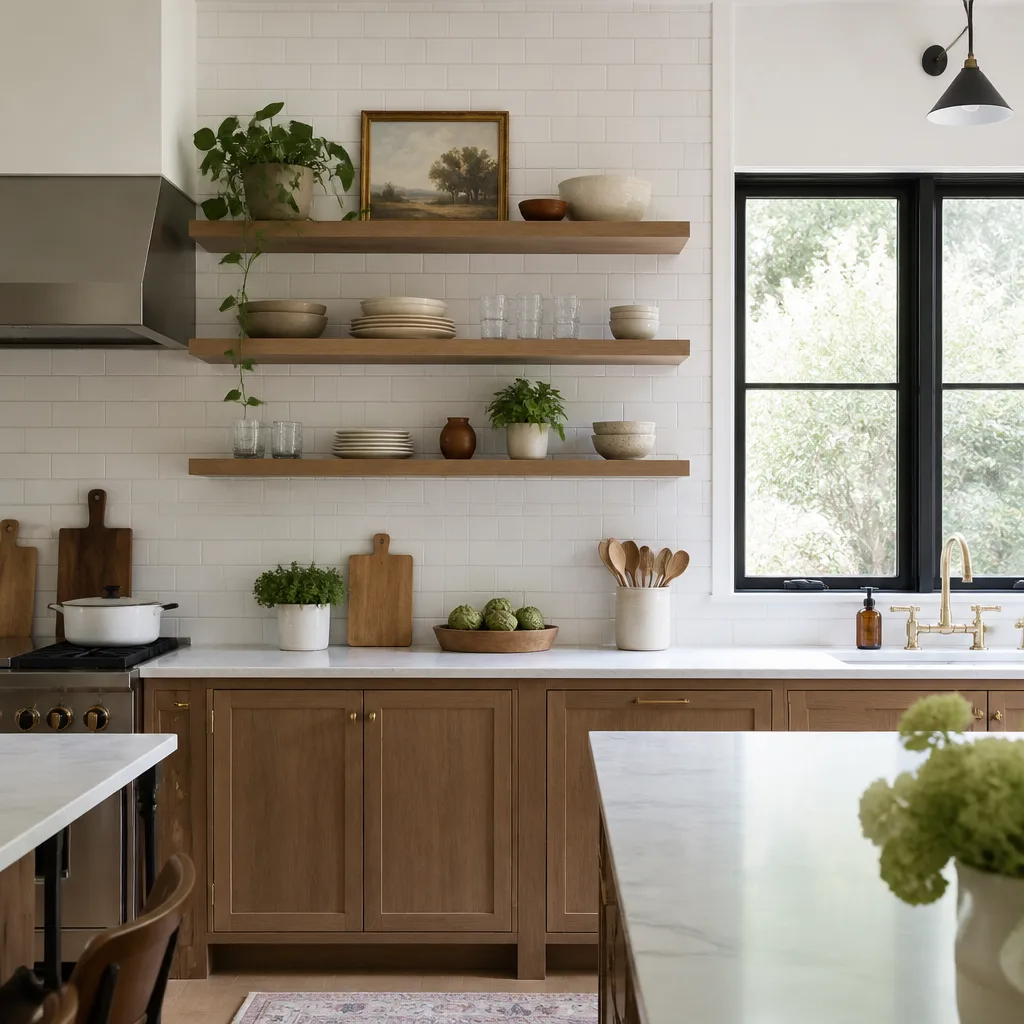 Open shelving
Free design consultation - KraftMaid and Wellborn cabinet lines, Cambria and Silestone surfaces, and every tier from refacing to full custom laid out side by side
How to Hire a Kitchen Remodeling Contractor in Summerlin: A Step-by-Step Guide
Of the contractors who will bid your Summerlin kitchen remodel, a meaningful portion primarily do bathrooms, additions, or general renovations. Kitchen work is a line item for them, not a specialty. The bid will look identical. The result won’t. The difference between a kitchen specialist and a generalist who added “kitchens” to a service list rarely shows up in the quote you compare today, but it surfaces six months later in cabinet doors that won’t align, or a countertop seam placed directly under a pendant light. This guide gives you the specific questions and verification steps that separate real kitchen expertise from general renovation work, so you can hire with your eyes open.
Quick Answer
Hire a kitchen remodeling contractor in Summerlin by verifying their Nevada contractor license classification, asking product-specific questions about seam placement, cabinet box construction, and appliance rough-in tolerances, reading every quote line by line, and checking references from kitchen projects specifically. A contractor who can’t answer detailed questions about cabinets and countertops, or who won’t itemize fabrication separately, is telling you what kind of specialist they are before the job even starts. Request a free written estimate and compare scope, not just the bottom number.
Styles & brands we work with
- Shaker
- Modern flat-panel
- Two-tone cabinets
- KraftMaid
- Cambria quartz
- Butcher block
- Open shelving
Table of Contents
- What Nevada License Should a Kitchen Remodeler Hold?
- What Questions Reveal Real Kitchen Knowledge?
- How Do You Read a Kitchen Remodeling Quote Line by Line?
- Why Kitchen-Specific References Matter
- What Red Flags Are Unique to Premium Material Installation?
- How Do You Verify Cabinet and Countertop Brands?
- Do You Need Permits for a Summerlin Kitchen Remodel?
- How Long Does a Summerlin Kitchen Remodel Take?
What Nevada License Should a Kitchen Remodeler Hold?
A kitchen remodeler in Nevada should hold a license classification that matches the scope of work, and you should verify it through the Nevada State Contractors Board before signing anything. The classification matters more than homeowners often assume. A general B-2 license covers general building and can legally include kitchen work, but it doesn’t signal kitchen specialization. It signals the contractor qualifies to build and remodel a wide range of structures. The license tells you they’re cleared to work. It does not tell you they do kitchens well.
For a kitchen-specific remodel that touches cabinetry, countertops, and finish work, look for a classification that actually maps to the scope. Specialty classifications exist for cabinet and countertop installation, and a contractor whose license reflects kitchen and finish work is a different animal from one whose primary business is new construction, bathrooms, or additions. The classification is a starting filter, not proof of expertise, but it narrows the field.
Here’s how to verify a Summerlin kitchen contractor’s standing:
- Ask for the license number, classification, and expiration date in writing, not verbally.
- Cross-check the number and classification against the Nevada State Contractors Board’s public lookup.
- Confirm the classification covers the work being quoted, including cabinetry and countertop fabrication and installation.
- Ask who will actually perform the cabinet and countertop work, and whether those trades are licensed or subcontracted.
- Confirm the contractor carries workers’ compensation and general liability coverage, since a kitchen job involves several trades on one site.
This is also where the generalist problem starts to show. A contractor who has to look up their own classification, or who subcontracted out every kitchen-specific step to separate vendors, is coordinating, not specializing. We work exclusively with brands you can look up, compare, and hold to a warranty standard, and our kitchen-only focus means we can speak to license and scope without passing you down a chain of trades.
What Questions Reveal Real Kitchen Knowledge?
The fastest way to tell a kitchen specialist from a generalist is to ask product-detail questions a general contractor can’t answer off the cuff. Cabinets and countertops behave in specific ways under specific conditions, and a contractor who lives in kitchens talks about them like a tradesperson, not a salesperson. Ask about seam placement on quartz, cabinet box construction, and appliance rough-in tolerances. Then listen for how they answer, not just whether they do.
Ask about quartz seam placement. A quartz countertop wider than a single slab has to be seamed, and where that seam lands changes the finished look. A kitchen specialist will explain that seams are placed to avoid high-visibility zones, that the seam is often moved away from sinks and cooktops, and that lighting from pendants and under-cabinet strips affects where a seam reads. A generalist will tell you the fabricator handles it. The fabricator does, but someone who cares about the outcome is steering that conversation. We work across three leading quartz lines, Cambria, Silestone, and Caesarstone, so we can compare seam strategies and material behavior honestly across brands rather than pushing the one we’re set up to move.
Ask about cabinet box construction. Cabinet boxes are typically plywood or particleboard, and the difference matters for how a cabinet holds up, how doors and drawers align over time, and how screws and hinges seat. A specialist can talk you through box material, drawer box construction, and glide systems without checking a brochure, and can explain why one KraftMaid line might suit your kitchen better than a Wellborn line, or the reverse. We carry both premium semi-custom lines precisely so homeowners aren’t locked into one manufacturer’s style or price tier.
Ask about appliance rough-in tolerances. A refrigerator that doesn’t sit flush, a built-in oven with an awkward gap, a dishwasher that jams against a new cabinet run: these come from rough-in tolerances that were assumed rather than measured. A kitchen specialist will tell you they confirm appliance dimensions and clearances before cabinet ordering, because reworking a rough-in after the cabinets arrive is expensive and slow. A generalist is more likely to coordinate this through another trade, which introduces gaps in accountability.
Ask a few of these questions in the first conversation. The answers separate contractors faster than any portfolio.
How Do You Read a Kitchen Remodeling Quote Line by Line?
A kitchen remodeling quote is a technical document, and the line items that disappear in lowball bids are exactly the ones that reappear as change orders mid-project. Read every line, and if a number seems low compared to others, find the missing scope. The lowest bid isn’t the cheapest project; it’s just the one where you haven’t seen the rest of the price yet.
Here’s what a clear, honest quote should itemize:
- Cabinet line. Manufacturer, product line, box material, door style, finish, and quantity. A contractor who can’t name their cabinet supplier or product line in writing is a risk on a premium install, because nobody can hold anyone to a specification.
- Countertop fabrication and installation. These are usually separate from the material cost. A single bundled “countertop” line hides the fabrication scope, which is often where costs and surprises live. Ask for material, fabrication, edge profile, sink cutout, and installation broken out.
- Cabinetry installation labor. Separate from cabinet cost. This covers shimming, scribing, crown and trim, and hardware install.
- Permit and inspection line. Whether permits are pulled and who pays. A missing permit line is a red flag, not a bargain.
- Appliances and fixtures. Specified by brand and model. Sink, faucet, and disposal should be named if included, and Kohler and Moen give you brands with established warranties and accessible replacement parts.
- Electrical and plumbing rough-in. Change orders live here when a generalist underestimated what the demo would reveal.
- Demo and disposal. Hauling old cabinets and countertops out is real labor. It shouldn’t be invisible.
- Contingency or allowances. If the quote includes allowances for tile, lighting, or hardware, note the dollar cap and the per-unit basis, because allowances are where “the budget was fine until we picked finishes” happens.
Now compare two quotes that look different. A quote that’s $8,000 lower with no permit line, no fabrication breakdown, and no cabinet brand named is telling you it will find those things later. Ask any contractor to itemize to the same standard. A confident specialist will do it, because a written line-item quote protects both sides. A generalist pushing a bundled number will resist. This is one of the most reliable signals you’ll get in the entire process.
Why Kitchen-Specific References Matter
Checking references for “remodeling” broadly tells you little about kitchen work. Check references specifically for kitchen projects, and ask to see them. General renovation references will praise the contractor’s professionalism and communication, and all of that is real, but it doesn’t demonstrate how cabinets were shimmed, how a quartz seam came out under a pendant, or how a contractor handled the countertop template timeline. Kitchen references do.
When you call a reference, ask these:
- Did the cabinet doors and drawers still align and operate smoothly after several months of daily use?
- Where did the quartz seam land, and does it bother you when the lights are on?
- Did the contractor catch appliance clearance problems before cabinets were ordered?
- Were there change orders, and were they itemized and explained before the work continued?
- Did the written quote match the final invoice, and if not, what changed?
- If plumbing or electrical needed adjusting, did the contractor coordinate it or did you have to manage separate trades?
- Would you hire them for another kitchen?
The last question is the most revealing, and the answers about alignment, seams, and change orders separate kitchen specialists from generalists faster than any other part of the interview. A single point of coordination makes a difference here: cabinets, countertops, and full kitchen scope managed together reduces the scheduling gaps and finger-pointing that come from hiring separate vendors. Ask each reference how many vendors they dealt with. It’s a good proxy for how much coordination they had to do themselves. In Summerlin, where homeowners often compare several bids before committing, references should be easy to produce and specific to kitchens.
What Red Flags Are Unique to Premium Material Installation?
The red flags that matter most on a premium-material kitchen are different from the ones that matter on a generic renovation. Premium cabinets and quartz countertops are unforgiving of sloppy installation. A drywall seam or a paint touch-up hides mistakes. A cabinet door that won’t close flush, a quartz seam that shows under direct light, or a countertop corner that doesn’t meet a wall cleanly do not hide. That’s why installation capability is a bigger differentiator than material names on a bid.
Watch for these:
- A contractor who can’t name their cabinet supplier. If they can’t tell you which KraftMaid or Wellborn line and configuration, you can’t verify what you’re paying for, and there’s no manufacturer path if something goes wrong. Name-brand cabinets come with name-brand warranty support, but only if the specification is documented.
- A contractor who won’t pull permits. This typically signals either unfamiliarity with the process or an unwillingness to be inspected. Pulling permits protects you and is part of a professionally managed kitchen.
- Countertop fabrication quoted as one bundled line. Fabrication, edge profile, sink cutout, and installation all have real cost and real skill. Bundling hides where the quality was cut.
- A contractor who can’t tell you how seams will be placed. A specialist describes the strategy. A generalist defers entirely.
- Fixture specifications that aren’t named. If your sink and faucet spec says “standard” or “builder-grade,” ask for the actual brand and model. Kohler and Moen have parts available and warranties you can use; a generic faucet may not.
- A contractor who won’t put appliance dimensions in writing. This is where rough-in tolerances get lost and where cabinets get ordered against a guess.
- A single low quote with no itemization and pressure to sign. In a competitive Summerlin market, you will have options. A specialist will give you a written line-item quote and expect you to compare it.
None of these red flags requires expertise to spot. They all come down to whether the contractor can talk about the material and the install in specifics.
How Do You Verify Cabinet and Countertop Brands?
Verify the brand by asking for the manufacturer, product line, and model in writing, then check that the named products exist and that the contractor is set up to install them. Anyone can say “premium quartz” in a bid; a specialist will name the line and explain the difference between the options you’re considering. That’s the verification standard you should apply to every material in the kitchen.
Cabinet verification. Ask for the manufacturer, the product line, box material, and door style. If the contractor offers more than one cabinet line, ask which one they recommend for your kitchen and why. Holding both KraftMaid and Wellborn matters because they’re different premium semi-custom lines with different style and price points, and it means the contractor is choosing a fit rather than only selling what they carry. Ask your contractor what they’d recommend if the answer is the same line every time, it’s worth asking whether that’s because of your kitchen or because of their shelf stock.
Countertop verification. Ask for the brand, the color or series, slab dimensions, edge profile, and the fabrication source. Working across multiple quartz lines lets you compare aesthetics, warranty terms, and material performance honestly instead of being steered to whichever brand one contractor has a relationship with. Ask specifically how seam placement will work on your chosen counter and whether there are cost or durability differences you should know about between the lines. A contractor who only carries one quartz brand will sell you that brand’s strengths; a contractor with three can answer a comparison question.
Fixture verification. Confirm the sink, faucet, and disposal brands and models in writing. Kohler and Moen are worth requesting because replacement cartridges, sprayers, and parts are broadly available long after installation, which matters in a kitchen that gets used daily. Blanco is a solid match for sinks that need to stand up to real use. Ask your contractor to name what they’ve specified rather than let a generic line item through.
If you’re planning the full scope of a kitchen remodeling project, get a written material specification for every brand and line. The Kitchen Remodeling Summerlin approach is to source and install from a curated lineup so you can compare materials under one contract instead of juggling three vendors who each defend their own brand.
Do You Need Permits for a Summerlin Kitchen Remodel?
Most Summerlin kitchen remodels that move plumbing, electrical, or gas lines require permits, and some cabinet and countertop-only jobs may not. The answer depends on scope, so ask your contractor to tell you in writing which permits apply and who pulls them. Las Vegas and Clark County have permitting processes that a professional kitchen contractor knows well, and whether they know it is one of the more useful signals in the hiring process.
The permit question does more diagnostic work than most homeowners expect. It tells you:
- Whether the contractor has worked through the Clark County or city permitting process before.
- Whether they intend to have the work inspected, which is a real check on the electrical and plumbing behind your cabinets.
- Whether they’ll flag scope changes that could trigger a permit that wasn’t in the original plan.
- Whether their quote includes the permit cost or silently leaves it out.
Ask the specific question: which permits apply to this scope, who pulls them, and when the inspections happen in the schedule. A contractor who answers “probably” or “yes, someone handles it” is a generalist coordinating rather than a kitchen specialist who has walked this process many times. Cabinet and countertop installation alone often doesn’t require a permit, but a remodel that reconfigures the kitchen, moves a sink, or relocates an outlet does. Confirm the scope and get the answer in the written estimate. When you request your free estimate, ask where permits and inspections land on the timeline before you sign.
How Long Does a Summerlin Kitchen Remodel Take?
A Summerlin kitchen remodel typically runs several weeks to a few months depending on scope, cabinet lead times, and whether plumbing or electrical is being moved, and your contractor should give you a written schedule with the material lead times named. A cabinet-and-countertop job with no layout change moves fastest. A full remodel with new rough-in, cabinetry, countertops, and finishes takes longer. Any timeline given without accounting for cabinet ordering and countertop template-to-install lead time is a guess.
The scheduling sequence in a well-run kitchen is roughly this:
- Design and material selection, including cabinet line and quartz brand selection.
- Cabinet order, which is usually the longest single lead time in the project.
- Permit filing where required, which should overlap with the cabinet lead time rather than wait on it.
- Demo and disposal of old cabinets and counters.
- Rough-in work: plumbing, electrical, and any appliance connections.
- Cabinet installation and inspection where applicable.
- Countertop template after cabinets are installed, then fabrication, then install. This gap between template and install is a real lead time and catches people by surprise.
- Fixture, sink, and faucet install, then final finishes and cleanup.
Ask your contractor which steps run in parallel and which wait. A kitchen specialist schedules cabinet ordering, permits, and fabrication around each other; a generalist often runs each step in sequence, which lengthens the project. Our technicians have up to 10 years of experience with kitchen installations, and they know where the scheduling gaps usually open. A single point of coordination between cabinets and countertops is the biggest factor in keeping a kitchen on schedule.
Common Mistakes to Avoid
- Hiring a generalist because the bid looked thorough. A beautifully formatted quote from a bathroom and addition contractor is still a bathroom and addition contractor. Ask specifically what percentage of their work is kitchens.
- Accepting a bundled countertop line. When fabrication, edge profile, sink cutout, and install are folded into one number, you’ve lost the ability to compare quality. Ask for the breakdown before you sign.
- Not verifying the license classification. Confirm the number and classification with the state board. A license that covers broad building work doesn’t confirm kitchen specialization.
- Calling general references instead of kitchen references. Ask for kitchen-specific references and the specific questions above. General renovation praise doesn’t tell you how the cabinet doors align after a year.
- Skipping the appliance dimension conversation. Confirm dimensions and clearances in writing before cabinets are ordered. Rough-in tolerance problems are expensive to fix later.
- Not asking where the quartz seam will land. Seam placement is a design and installation decision, not just a fabrication detail. Ask before template day.
- Choosing a contractor who can’t name the cabinet supplier. If the manufacturer and product line aren’t in the estimate, you’re not buying a verifiable product.
- Comparing bids by bottom line only. In Summerlin, where multiple quality contractors may bid your kitchen, the itemized quote with the right scope often beats the low number once change orders appear.
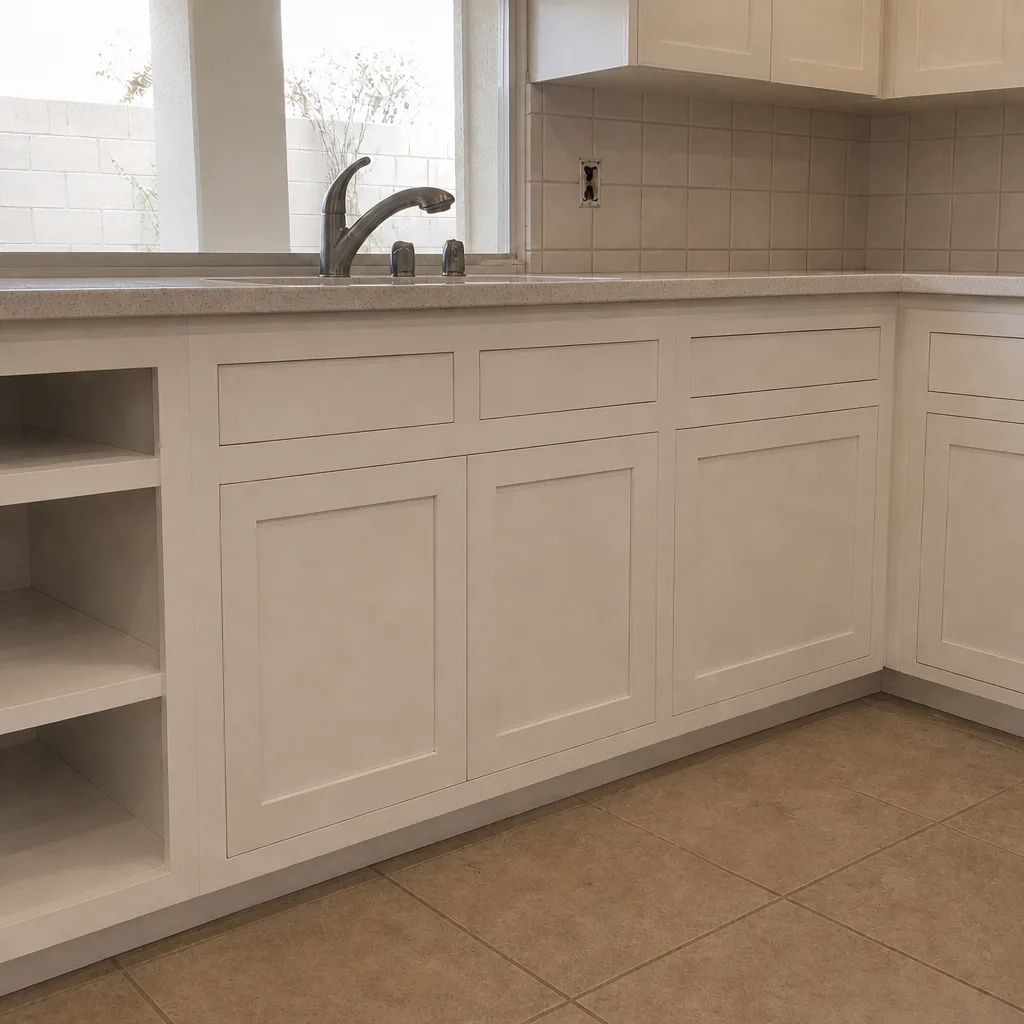
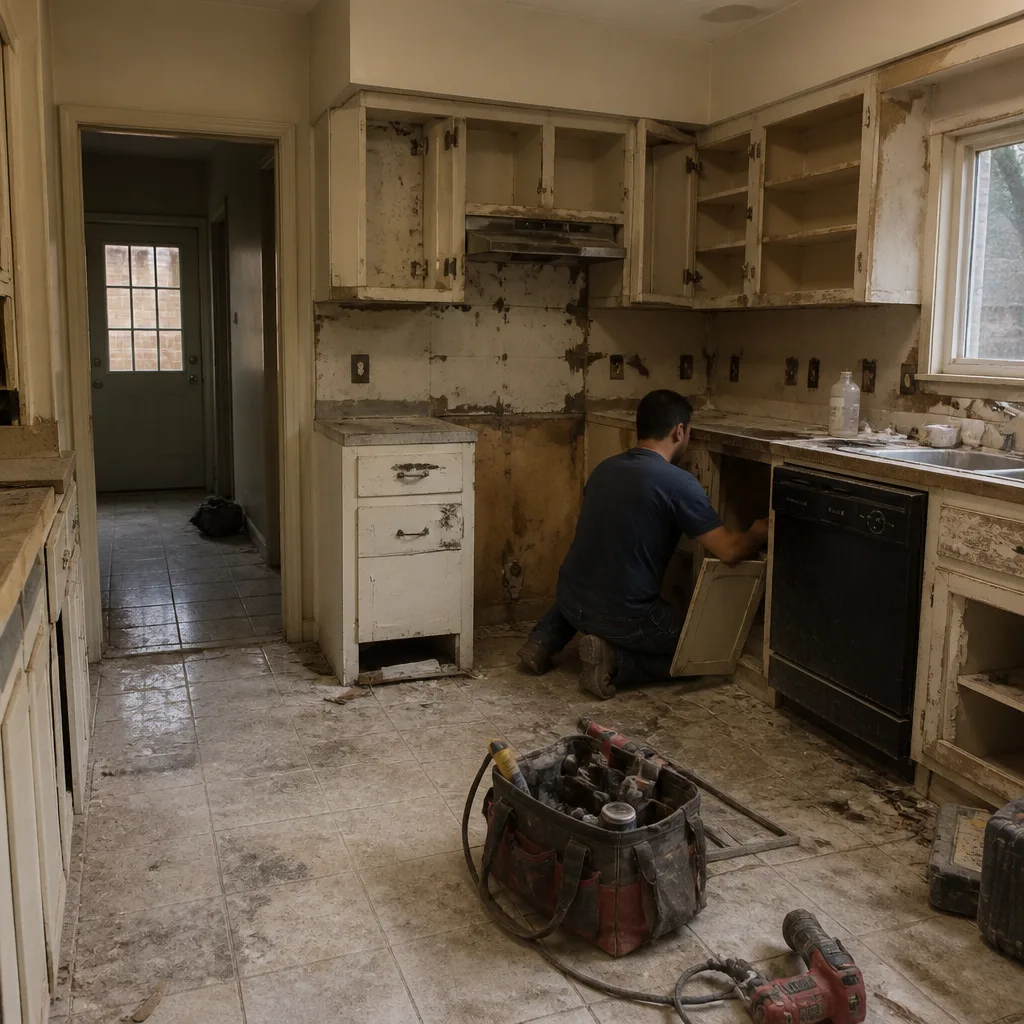
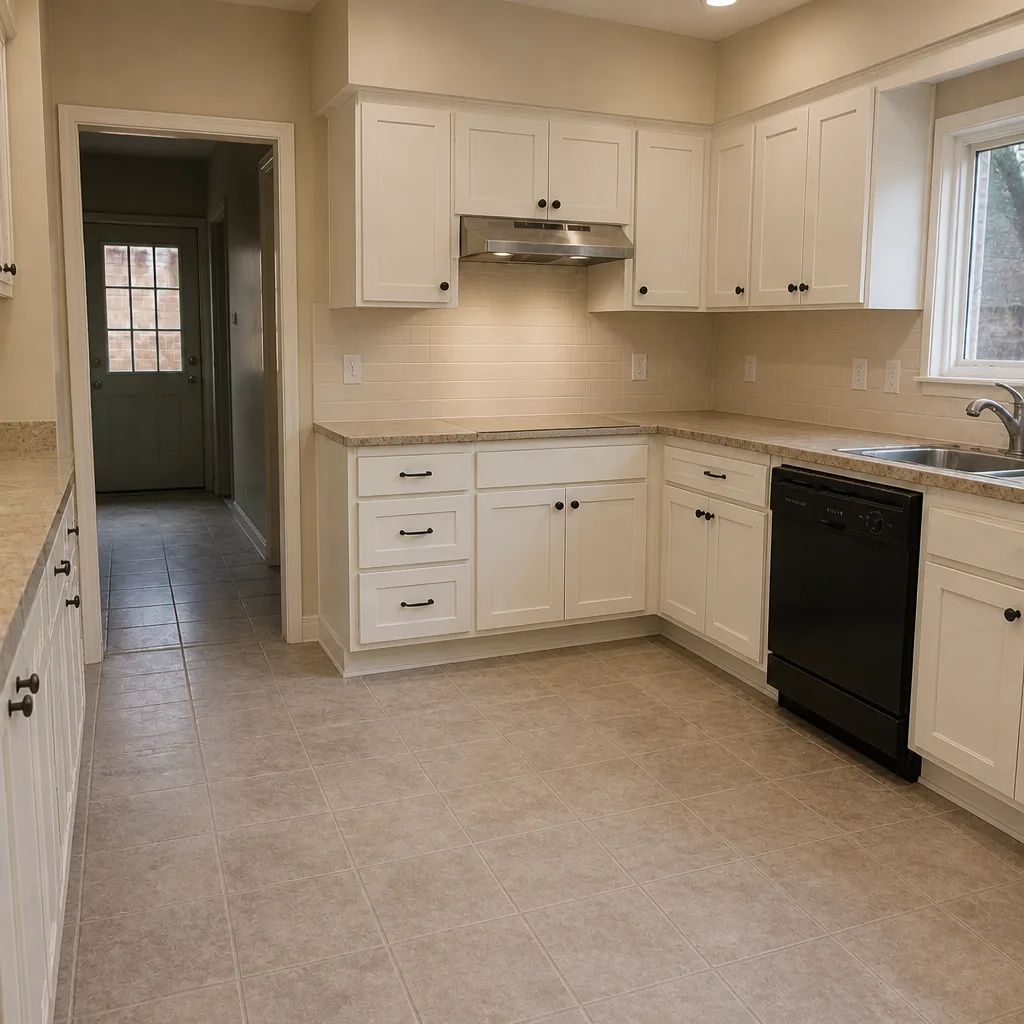
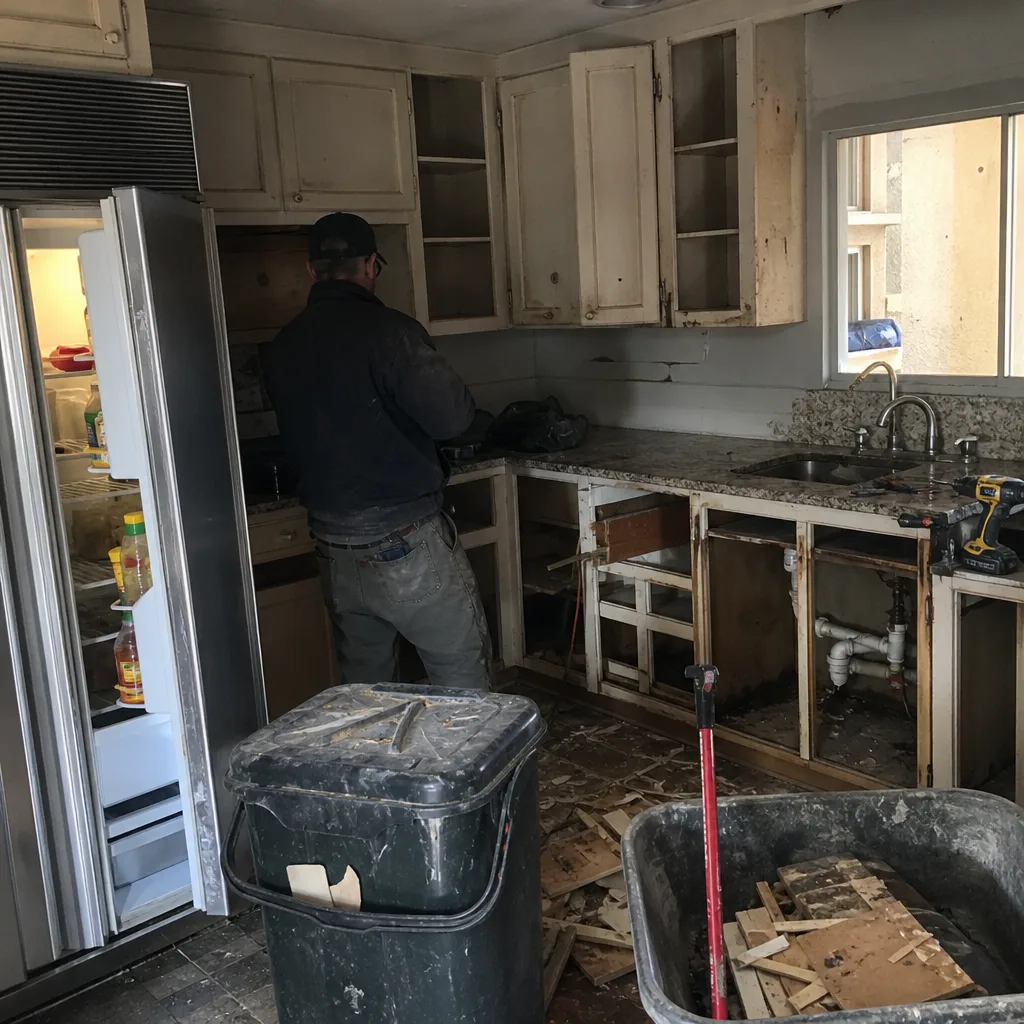
See the difference
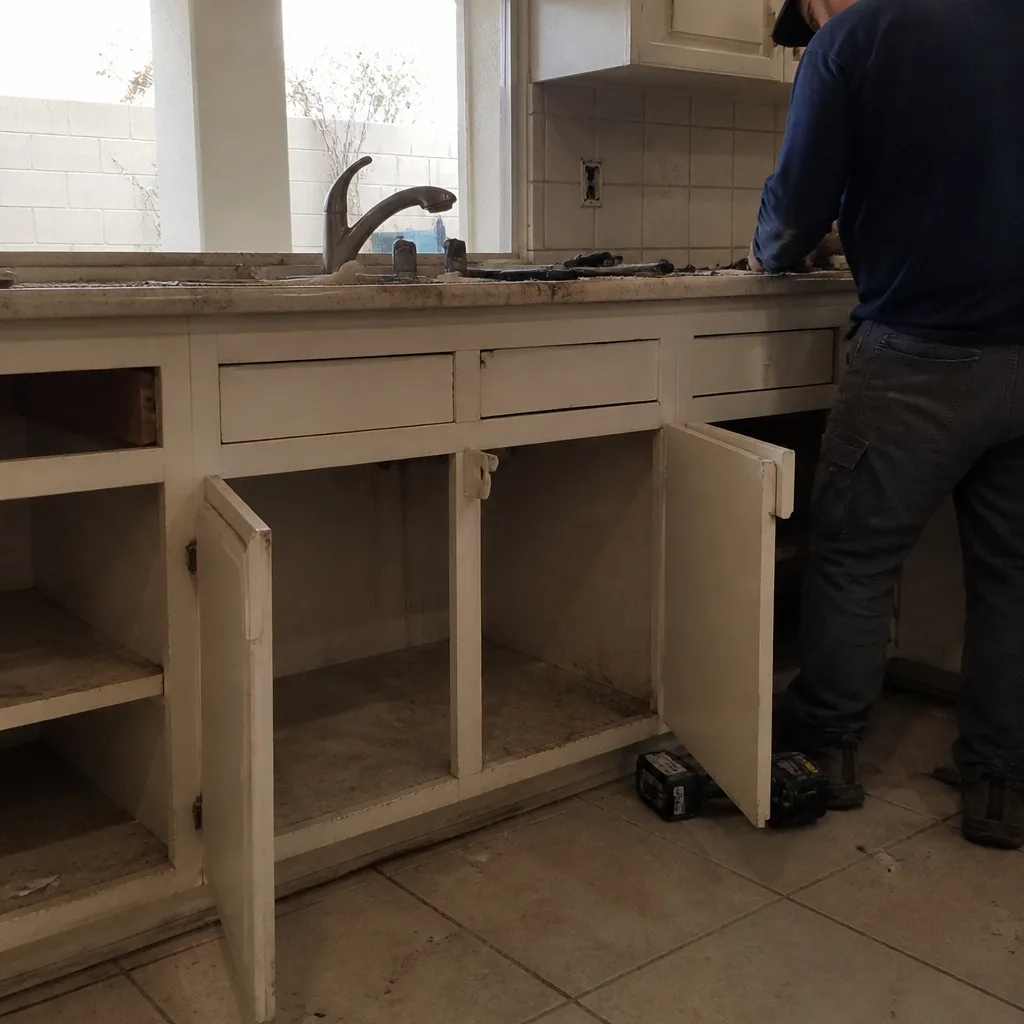 Before
 After
 Before
 After
 Before
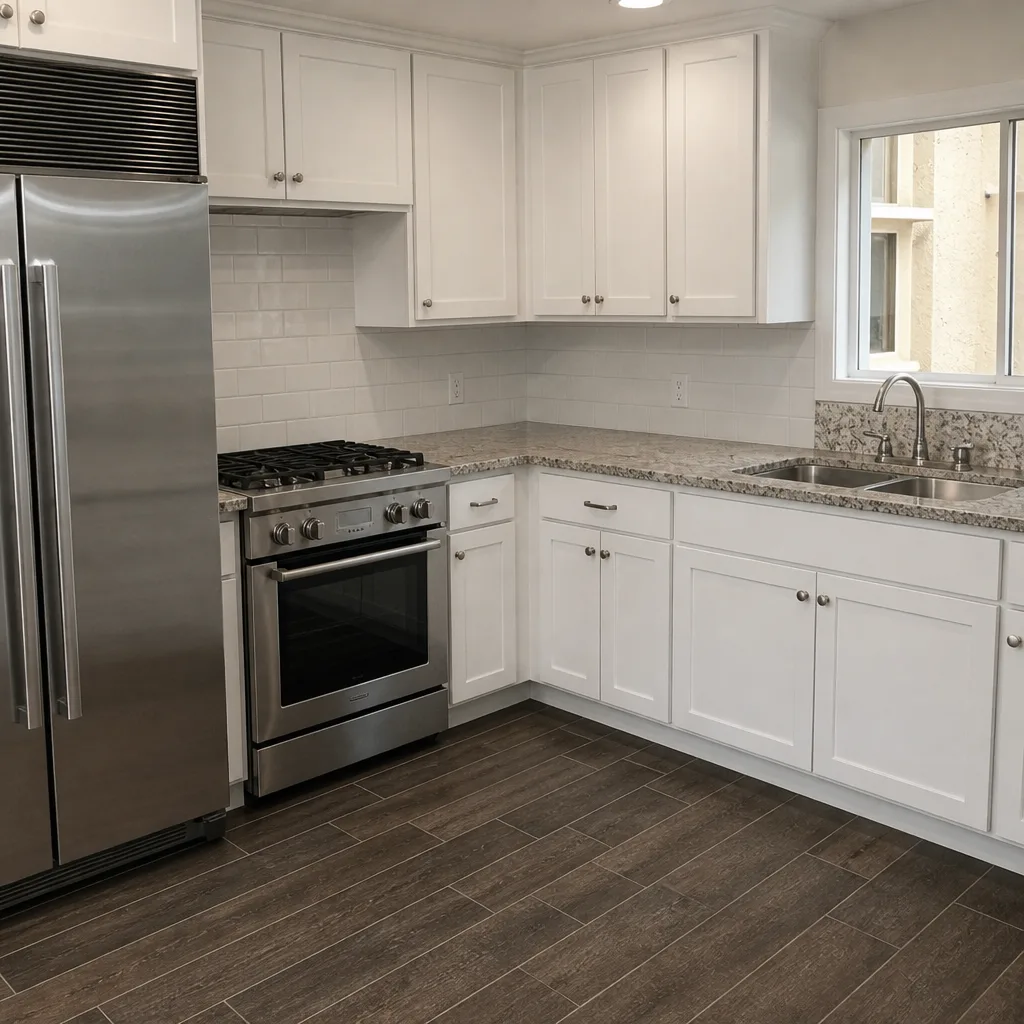 After
When to Call a Professional
Call a professional for any kitchen scope that involves moving plumbing, electrical, or gas lines, for cabinet and countertop installation against premium brands where alignment and seam quality matter, and whenever you want a single contract covering cabinets, countertops, and the full kitchen rather than separate vendors. Call before you sign with a generalist if you haven’t verified their license classification, if they can’t name their cabinet supplier, or if their quote bundles fabrication into a single line. And call if your appliance rough-in dimensions have never been confirmed in writing. Our cabinet installation and countertop work is kitchen-specific by design, and every project runs from a written line-item estimate. Kitchen Remodeling Summerlin offers free estimates in Summerlin. Call (866) 655-6132. We answer 24/7. Fast dispatch from 7am to 7pm, Sunday through Friday.
Frequently Asked Questions
Ask for the license number and classification in writing, then verify both against the Nevada State Contractors Board’s public lookup. Confirm the classification matches the scope, including cabinetry and countertop installation, and confirm insurance and workers’ compensation coverage before signing. Call (866) 655-6132 for a free estimate and we’ll walk through our license and scope with you.
Kitchen remodeling costs in Summerlin depend on cabinet line, quartz brand, and whether plumbing or electrical is being moved, so pricing is set per job by a written estimate rather than a published range. A cabinet-and-countertop refresh costs far less than a full remodel with new rough-in, and brand choice (KraftMaid versus Wellborn, or Cambria versus Silestone or Caesarstone) moves the number too. Call (866) 655-6132 for a free written estimate with line-item pricing.
A well-scoped kitchen remodel should hold its price when the estimate is itemized and the scope is fixed, though changes you request and hidden conditions discovered during demo can adjust it. The way to avoid surprise change orders is the line-item estimate with allowances and scope spelled out. Call (866) 655-6132 to schedule a free estimate and get the scope in writing first.
Permits are pulled whenever the scope requires them, which for most Summerlin kitchen remodels means any work that moves plumbing, electrical, or gas lines, and the permit and inspection line belongs in the written estimate. Confirm which permits apply to your scope and who pulls them before you sign. Call (866) 655-6132 for a free estimate and we’ll clarify the permitting for your project.
Ask for the manufacturer, product line, and model in writing for every cabinet and countertop, because a verifiable brand is what lets you hold the installation to a warranty standard. We install KraftMaid and Wellborn cabinets and work with Cambria, Silestone, and Caesarstone quartz, with fixtures from Kohler, Moen, and Blanco. Call (866) 655-6132 to compare the lines under one free estimate.
A Summerlin kitchen remodel takes several weeks to a few months, with cabinet lead time and countertop template-to-install time usually determining the schedule more than any other factor. Ask for a written schedule that names the cabinet and fabrication lead times and shows which steps run in parallel. Call (866) 655-6132 for a free estimate and a schedule conversation for your kitchen.
The Bottom Line
Hiring a kitchen remodeling contractor in Summerlin comes down to verification. Check the license classification and insurance, ask product-detail questions about quartz seam placement, cabinet box construction, and appliance rough-in tolerances, and read every quote line by line to see what the low number left out. Call kitchen-specific references and ask where the seams landed and whether the doors still align. The contractors who can answer all of that are specialists; the ones who can’t are generalists with a kitchen line item on their bid. The bid may look the same, but the result won’t. Get a written line-item estimate before you commit, and if you’re comparing materials for your Summerlin kitchen, start with the Summerlin serving area and call (866) 655-6132 for a free estimate. We answer 24/7. Fast dispatch from 7am to 7pm, Sunday through Friday.
Written by the team at Kitchen Remodeling Summerlin.