
Last updated November 16, 2026
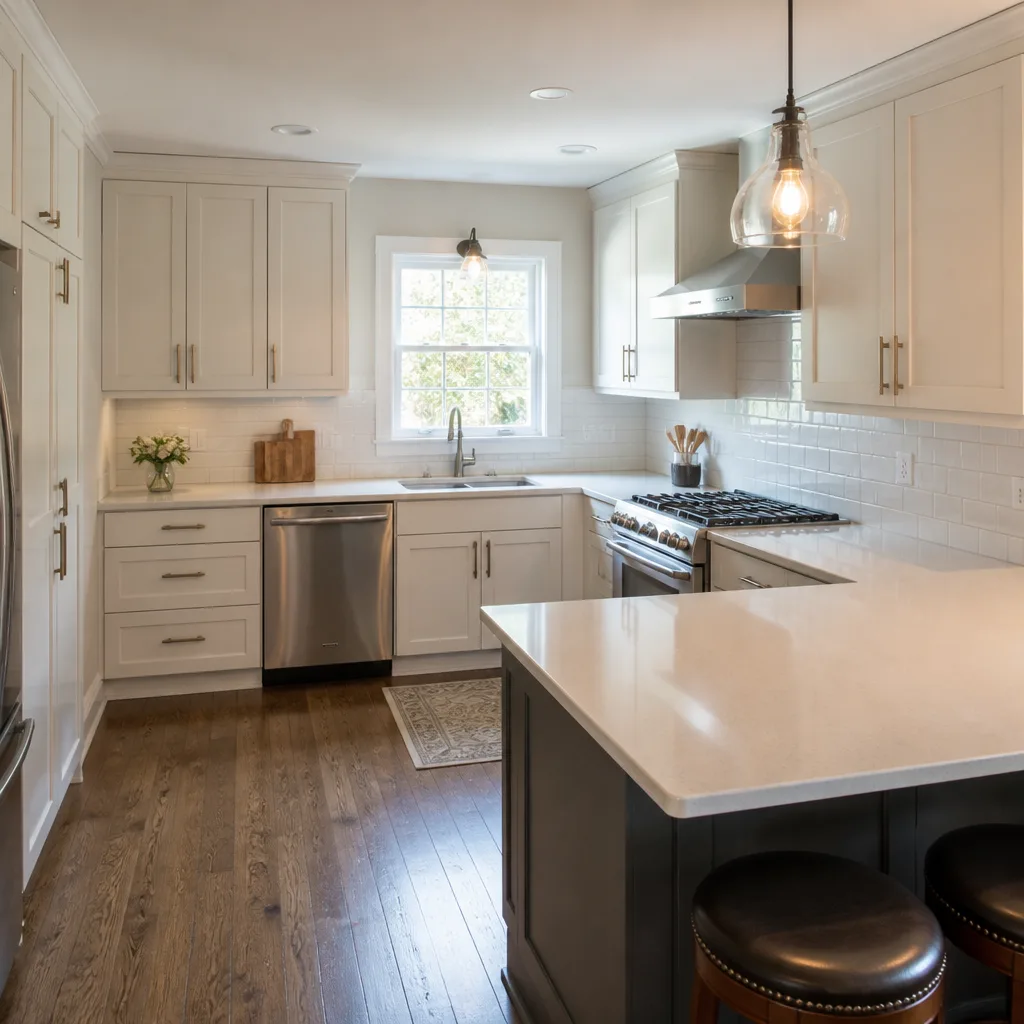 Shaker
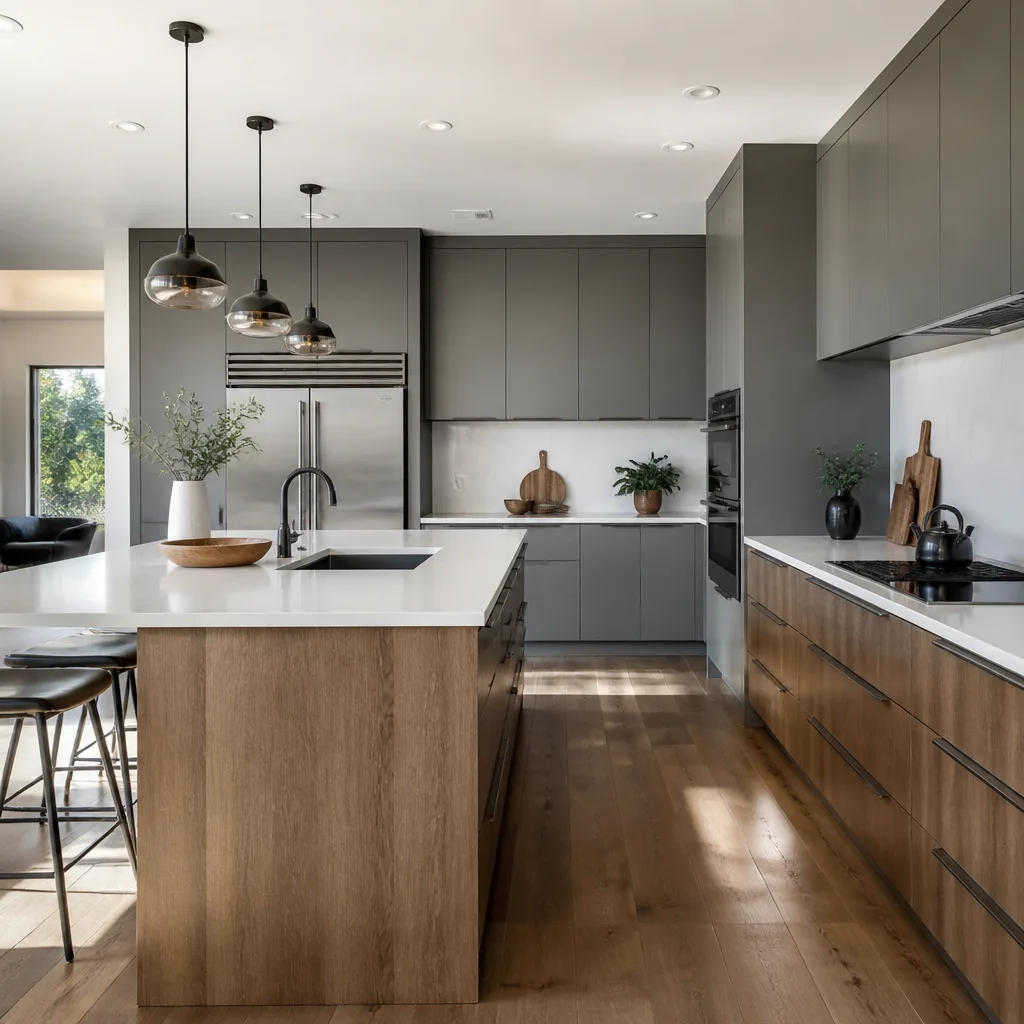 Modern flat-panel
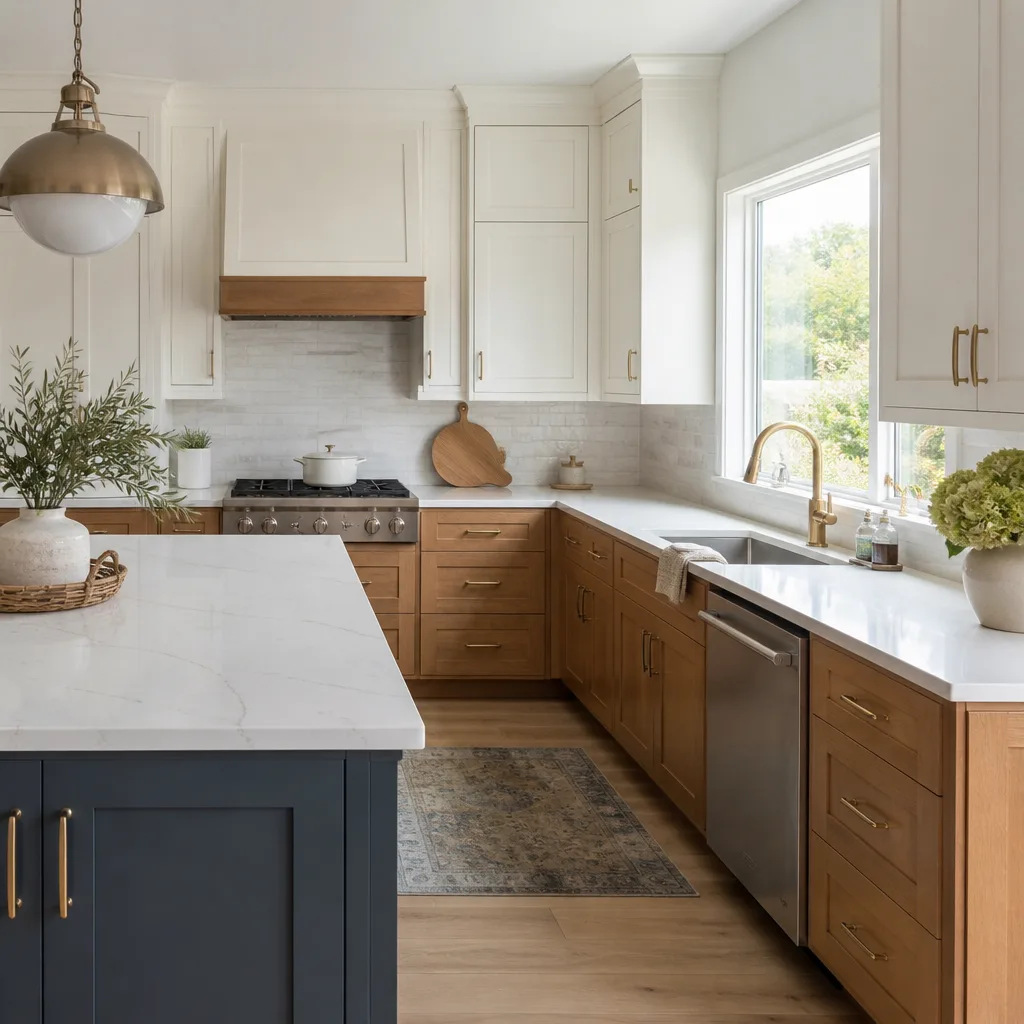 Two-tone cabinets
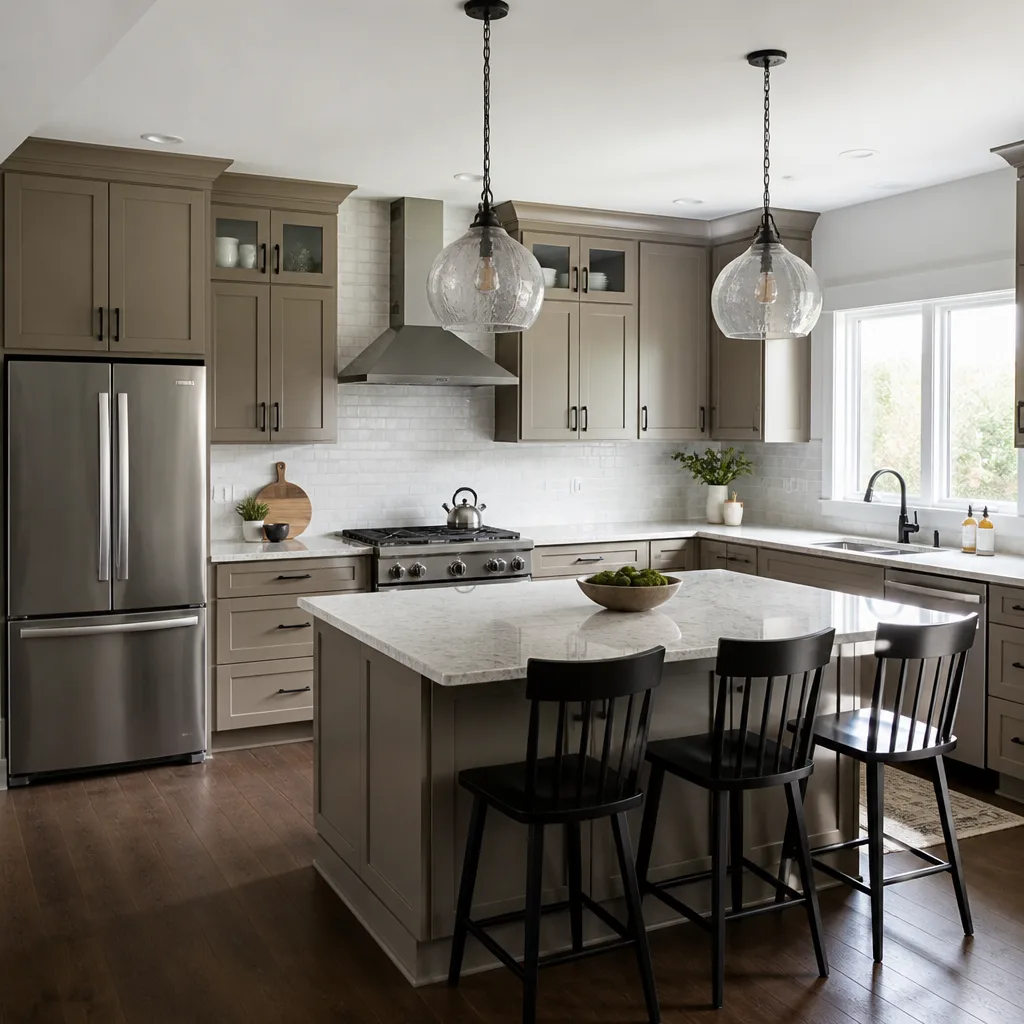 KraftMaid
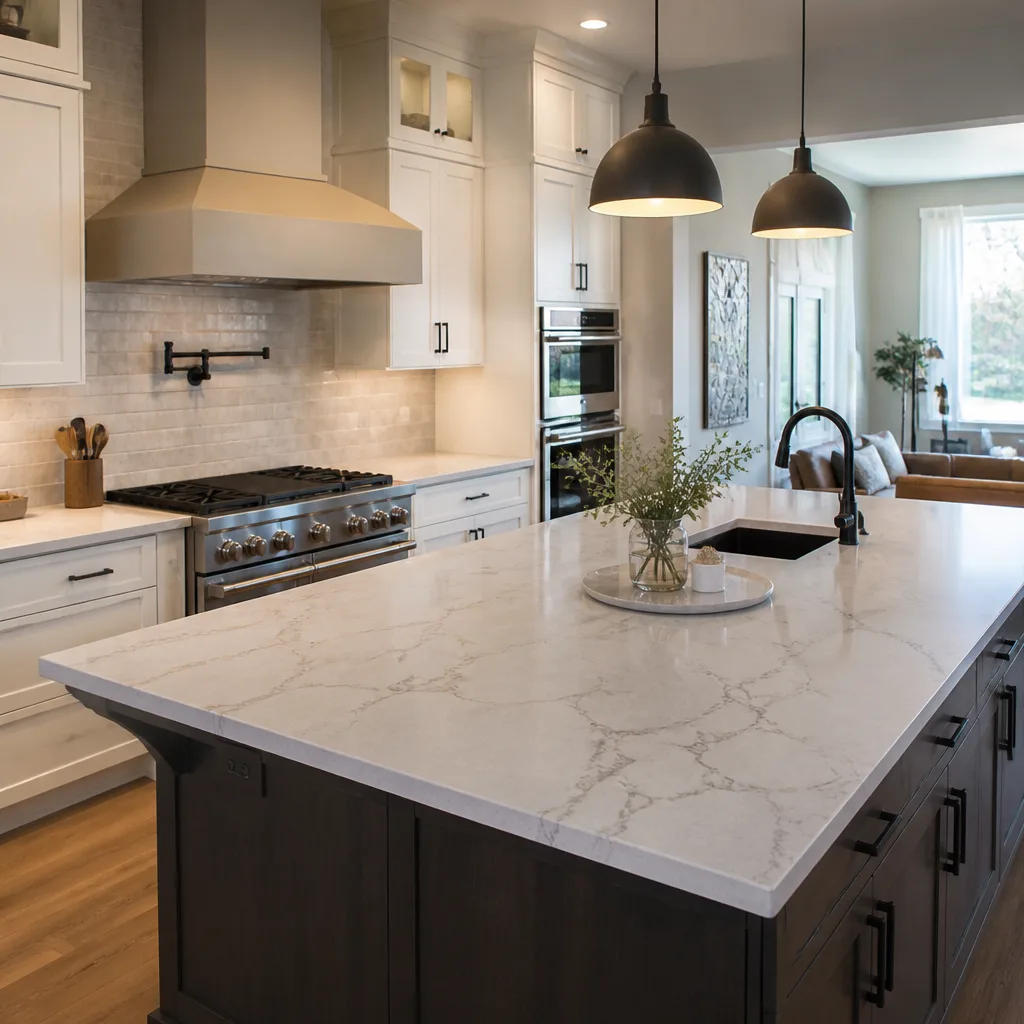 Cambria quartz
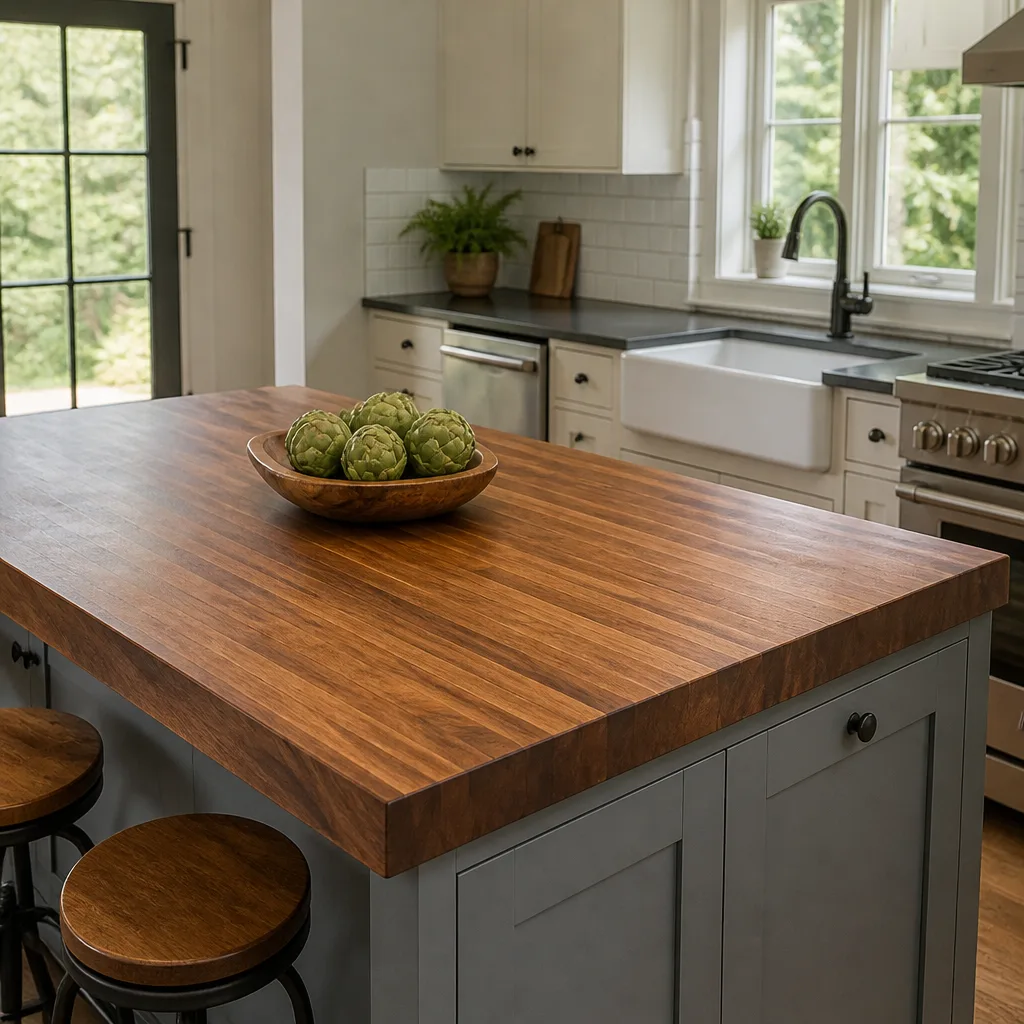 Butcher block
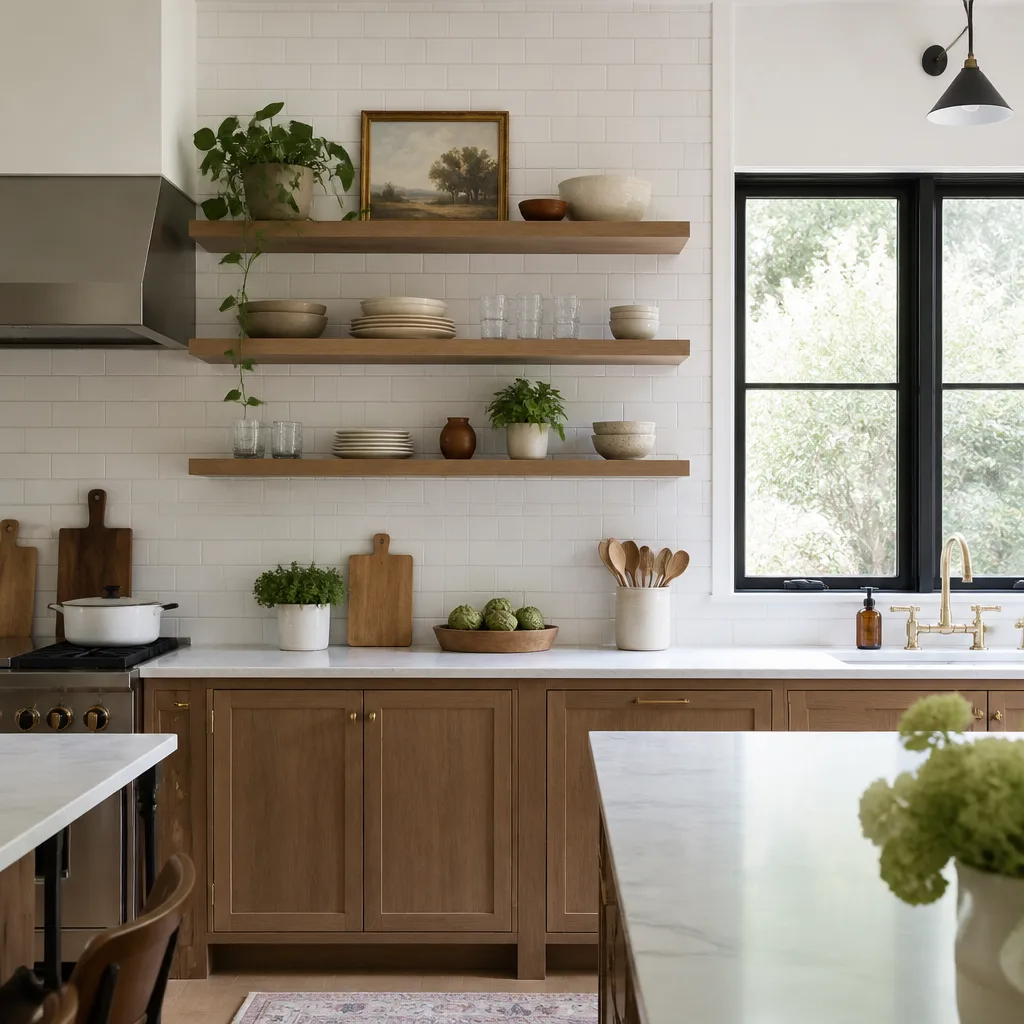 Open shelving
Free design consultation - KraftMaid and Wellborn cabinet lines, Cambria and Silestone surfaces, and every tier from refacing to full custom laid out side by side
Choosing the Right Kitchen Remodeling Brand: A Buyer’s Guide for Summerlin
Two cabinet lines can look nearly identical in a showroom photo and have completely different box constructions underneath – one plywood, one particleboard – with warranty language that reads almost the same but gets enforced very differently the first time you actually file a claim. That gap between how brands look and how brands are built, stocked, and backed is where most kitchen decisions in Summerlin go wrong. This guide walks you through what to check before you commit: construction standards, what countertop warranties really cover, how parts availability works in the Las Vegas valley, and which brand tiers actually return value in this market. You’ll finish knowing how to compare kitchen brands the way a specialist does.
Styles & brands we work with
- Shaker
- Modern flat-panel
- Two-tone cabinets
- KraftMaid
- Cambria quartz
- Butcher block
- Open shelving
Quick Answer
The right kitchen brand in Summerlin is the one you can verify on construction specs, get parts for locally, and hold to an enforceable warranty – not simply the one with the prettiest door sample. That means checking box construction and drawer joinery before aesthetics, confirming how each countertop warranty handles chips and cracks, and choosing a brand tier that matches your home’s value and resale plans. A specialist installer who works with recognized lines will usually get you better product support than a big-box purchase of the same brand.
Table of Contents
- Why the Brand Decision Is Really a Support Decision
- Cabinet Construction Standards, Decoded
- How to Evaluate Countertop Brand Claims
- The Regional Distribution Question in the Las Vegas Valley
- Specialist Installer vs. Big-Box Purchase
- Matching Brand Tier to Your Summerlin Home
- Dry Climate: What It Means for Kitchen Materials
- A Seven-Step Brand Evaluation Process
- Common Mistakes to Avoid
- When to Call a Professional
- Frequently Asked Questions
- The Bottom Line
Why the Brand Decision Is Really a Support Decision
Most homeowners treat brand selection as a design choice: which door style, which finish, which slab. The real difference shows up years later, when you need one replacement door panel, a matching piece of trim, or a warranty repair and the brand either supports you quickly or leaves you waiting on a special order. That’s the part the showroom photo never shows.
A kitchen brand is three things at once: a construction standard, a regional parts pipeline, and a warranty contract. All three have to hold up. A brand can have excellent door styles and a weak dealer network near Summerlin, or a strong local support footprint and a construction spec that isn’t worth the price. The job is to check all three before you sign.
We work exclusively with brands you can look up, compare, and hold to a warranty standard – and that’s deliberate. When a brand is named, you can read its spec sheets, find its warranty terms, and call its support line yourself. That accountability is what separates a real premium line from a house label with a nice front.
- Construction standard: what the box, drawer box, and hinges are actually made of.
- Parts pipeline: how quickly replacement doors, panels, and hardware arrive in the Las Vegas valley.
- Warranty contract: what’s covered, what’s excluded, and how a claim gets handled.
- Installation standard: whether the brand trains and registers its installers, which affects how claims get treated.
Hold those four in view and the brand question becomes much less about taste and much more about long-term support. That’s the frame this guide uses throughout. If you want the full picture of what a Kitchen Remodeling Summerlin project looks like from start to finish, we’ve laid that out separately.
Cabinet Construction Standards, Decoded
Two cabinet brands at similar prices can differ enormously in how they’re built. The differences rarely show in a photo, but they decide how the kitchen holds up over a decade of daily use. Here’s what to look at, and why each one matters.
Face-Frame vs. Frameless
Face-frame cabinets have a frame of solid wood across the front, with the doors mounted to it. Frameless cabinets skip that frame and mount doors directly to the box. Face-frame construction adds rigidity and a more traditional look; frameless gives more usable interior width and a modern, full-overlay appearance. Neither wins outright – the better question is how well the specific brand executes the style you want. A poorly built face-frame won’t be as sturdy as a well-built frameless line, and vice versa.
Plywood vs. Particleboard Box
The cabinet box is the shell that holds the shelves and draws the doors. Plywood boxes resist moisture better and hold screws more firmly over time. Particleboard is cheaper and heavier. In a dry climate like Summerlin, both can survive – but plywood tolerates accidental leaks and spills with far less swelling, and screw joints hold up better through years of opening and closing. If a brand doesn’t tell you clearly what its box is made of, treat that as a red flag.
Dovetail vs. Stapled Drawer Boxes
A dovetail drawer box uses interlocking joints, which stay tight and strong through heavy use. Stapled or glued drawer boxes are cheaper and tend to come apart or loosen first. Drawers take the most punishment in any kitchen, so this is where construction shortcuts show up soonest. If you can’t see a drawer box in person, ask for a spec sheet before committing.
Hinge and Hardware Quality
Premium lines typically specify branded hinges with soft-close mechanisms and clear load ratings. That matters in a Summerlin kitchen that sees constant use. Cheap hinges sag, and soft-close mechanisms fail silently until a door starts banging. Named hardware means named replacement parts later, which ties back to the support theme of this whole guide.
Why This Matters Most in a Dry Climate
Summerlin’s low humidity is gentler on cabinet boxes than a humid climate would be, but it’s harder on wood joints and finishes that dry out and lose tolerance over time. That makes joinery quality – dovetails, tight frame joints, well-set hinges – a bigger long-term factor than many homeowners expect. A well-joined plywood cabinet tends to hold its fit in dry air better than a stapled particleboard one, and the door alignment stays true longer.
When you’re ready to look at what cabinet lines actually fit your kitchen, our cabinet installation work is built around exactly these construction questions. We can put KraftMaid and Wellborn samples side by side and walk through the box and drawer specs for each, so the comparison is on construction, not just finish.
How to Evaluate Countertop Brand Claims
Quartz countertop warranties are written in language that looks similar from brand to brand, but the coverage details differ in ways that matter at claim time. The trick is to read three things for each brand you’re considering: what’s covered, what’s excluded, and what the claim process actually requires of you.
What “Full-Slab” Warranty Language Usually Means
When a quartz brand advertises a full-slab or lifetime warranty, it’s typically covering the material itself against manufacturing defects – things like a slab that fails from the inside, not damage caused by use. In plain terms, it means the manufacturer stands behind the slab as delivered. It doesn’t usually mean the countertop can’t be scratched, chipped, or stained from daily use. Read the warranty or ask us to walk you through it before comparing brands.
What Limited Warranties Typically Exclude
Limited quartz warranties often exclude damage from heat, impact, improper cleaning, or installation by non-approved fabricators. That last exclusion is the one most homeowners miss. If a countertop is fabricated or installed by someone the brand doesn’t recognize, the warranty may not be honored at claim time, regardless of how good the slab was.
- Heat damage: a hot pan set directly on quartz can mark it; most warranties exclude heat.
- Impact: chips and cracks from dropped objects usually aren’t covered.
- Chemical or abrasive cleaning: damage from the wrong cleaner is typically the homeowner’s risk.
- Improper installation: fabrication or installation by unapproved parties can void coverage.
Why Comparing Three Brands Beats Comparing One
Quartz is not a single material category. Cambria, Silestone, and Caesarstone each have their own slab sizes, edge options, finish choices, and warranty wording. Comparing them side by side – rather than sampling one brand in one showroom and another somewhere else – lets you see where the real differences live. Sometimes the differences are aesthetic. Sometimes they’re in the warranty fine print. Occasionally they’re in how quickly a replacement piece can be sourced, which brings us to the next section.
When you’re comparing quartz, the honest approach is to look at all three leading lines under one contractor relationship and read the fine print on each. That’s exactly what we offer through kitchen remodeling consultations – we’ll show you how the brands differ, not just push one.
The Regional Distribution Question in the Las Vegas Valley
The single question most homeowners never ask about their kitchen brand: how quickly can a replacement part actually arrive in Summerlin? That answer shapes how painful a small repair becomes.
Brands with strong dealer networks in the Las Vegas valley can often source replacement doors, drawer fronts, or trim pieces from local or regional stock. Brands with weaker local presence may require weeks of lead time or special orders, and in the middle of a kitchen, that can mean living with a damaged door or mismatched finish for far longer than expected. The same idea applies to quartz: fabricators with local slab inventory and established supplier relationships can match pieces faster than a shop that has to order from out of state.
This is where choosing brands with a real regional footprint pays off. Cabinetry lines like KraftMaid and Wellborn have established dealer and support networks that make parts retrieval practical in the valley. Quartz brands backed by local fabricator relationships can often replace a damaged piece in weeks, not months. Fixtures specified from brands like Kohler and Moen have wide replacement-part availability and long-standing support lines, so a broken cartridge or a chipped handle isn’t a scavenger hunt.
How to Check a Brand’s Local Support Before You Commit
- Ask who services the warranty. The brand, the dealer, or the installer? Ask what happens the first time you need a claim.
- Ask for a realistic replacement timeline. Not a best-case, but the typical wait for a door, drawer front, or slab piece in the Las Vegas valley.
- Look up the brand’s regional dealer list. If it doesn’t have one you can find, that’s information.
- Confirm the fixture brand’s parts availability. Established names like Moen and Kohler tend to have deeper parts pipelines than house brands.
- Ask who registers the warranty. Registration matters; unregistered products are sometimes denied claims.
None of these questions require technical knowledge – just a contractor willing to give you a straight answer. That’s part of why narrow focus matters. Kitchen-only focus means every recommendation we make is specific to how kitchens actually get used, and every part question lands with someone who answers it for a living.
Specialist Installer vs. Big-Box Purchase
You can buy the same KraftMaid cabinet line through a big-box store or through a specialist installer, and the two experiences can differ in every part of the process except the product on the box. That’s worth understanding before you assume the cheaper path is the safer one.
Installation Training and Standardization
Specialist installers who are recognized by the brand typically receive training on that brand’s installation requirements – shim standards, scribe details, hardware setup, and tolerances. That matters because brand warranties often hinge on installation being done correctly. Big-box crews may do fine work, but the training tends to be more general. A specialist who focuses only on cabinets and countertops has done the same installation routine many more times.
Warranty Registration and Support Access
Warranty claims usually go smoother when the product was registered, the installation was documented, and the installer has a direct line to the manufacturer’s support team. That’s the difference between a claim that gets handled and one that stalls. Kitchen Remodeling Summerlin handles brand-level cabinet and installation work directly, which means we can engage the brand’s support channel on your behalf when a claim or replacement comes up.
One Point of Coordination
When cabinets come from one place, countertops from another, and fixtures from a third, the schedule becomes a series of handoffs. When something slips, the trades point at each other. A single contractor coordinate all three under one scope removes that problem – one schedule, one write-up, one person to call when a door arrives scratched or a slab edge shows up wrong.
- Training: specialist installers know the specific brand’s install standard, which often affects warranty eligibility.
- Registration: the installer registers the product and keeps documentation, which supports future claims.
- Support access: the installer has brand-level contacts for claims, not just a retail return desk.
- Coordination: one contractor handling cabinets, countertops, and fixtures means no trade cross-talk when something slips.
- Accountability: a specialist has one scope, so there’s no “not our trade” excuse when a problem falls between categories.
The narrow scope is deliberate. Rather than working across many trades, we focus on cabinetry, countertops, and full kitchen work under a single contract – so the brand you choose is the brand that gets installed to spec.
Matching Brand Tier to Your Summerlin Home
Not every Summerlin kitchen needs the top tier of every brand category. The right call depends on how long you plan to stay, what buyers in your neighborhood respond to, and where a specific brand actually translates into resale value.
When a Premium Brand Pays Off at Resale
In Summerlin’s higher-end neighborhoods, buyers and their agents recognize certain brand names – and a kitchen with recognizable cabinetry and quartz brands tends to read as a considered purchase rather than a flip. That recognition matters most when you intend to sell within the next several years, where a well-branded kitchen can make the listing feel more current.
When a Mid-Premium Brand Delivers the Best Return
When the plan is a long stay – a decade or more – the ROI calculation shifts. A well-built mid-tier brand that’s installed correctly and backed by a real warranty often returns more value over time than a top-tier brand at full premium. Construction quality matters more than the label for a family that plans to actually use the kitchen hard for years.
When a Statement Slab Is Worth It
Quartz is one place a specific choice can lift a kitchen’s read at resale – but only if it fits the rest of the room. A statement slab in a kitchen with mid-tier cabinets tends to look out of place. A strong cabinet line with an appropriate quartz and well-chosen Kohler or Moen fixtures reads as balanced, which is what buyers notice.
The ROI Ranking by Category
- Cabinetry: highest resale recognition and highest day-to-day satisfaction; construction quality pays off most here.
- Countertops: strong visual weight; a recognized quartz brand supports a better listing story.
- Fixtures: moderate resale weight; strong warranty and parts availability matter more than brand prestige alone.
- Finishes and hardware: lower resale weight, higher personal satisfaction; worth investing in what you’ll enjoy.
Kitchen Remodeling Summerlin’s view: match the brand to the home and the timeline, not to a spreadsheet pitch. If you’d like help reading your Summerlin neighborhood and where a specific brand tier fits, a free estimate is the right place to start. For a wider look at the area’s housing stock and what different neighborhoods tend to favor, our Summerlin overview is a useful companion.
Dry Climate: What It Means for Kitchen Materials
Summerlin’s desert climate – low humidity, large indoor-outdoor temperature swings, strong sun on windows – has real implications for kitchen materials, and most showroom conversations skip it entirely.
Cabinets and Wood Movement
Solid wood components expand and contract with humidity changes. In a dry climate, doors and drawer fronts shrink slightly, and joints can loosen over time. That’s another reason joinery quality matters: dovetail and well-fitted frame joints tolerate dry-air movement far better than stapled construction. Soft-close hinges need periodic adjustment in any climate, but quality hinges hold their setting longer.
Countertops and Heat
Quartz is a strong choice for desert kitchens because it handles humidity and most daily wear well. But quartz is not heat-proof, and a heavy pan set straight from the stove to the counter is exactly the kind of damage most warranties exclude. Trivets and hot pads are the inexpensive fix; understanding the warranty exclusion is the important one.
Fixtures and Finish Durability
Sun exposure through large kitchen windows can fade certain finishes faster than in a shaded, humid climate. Established fixture brands with proven finish processes – Kohler and Moen among them – tend to hold up better over time, and they have deeper replacement-part availability if a finish eventually does show wear.
What This Means in Practice
- Prioritize plywood cabinet boxes and dovetail drawer boxes, which handle dry-air movement better.
- Specify branded hinges and hardware, easy to adjust and replace.
- Read the quartz warranty exclusions carefully – heat-related damage is rarely covered anywhere.
- Choose fixture brands with a strong parts pipeline; even the best finish ages eventually.
None of this requires special expertise on your part – just a kitchen specialist who’s worked in Summerlin’s climate and knows what tends to hold up. That’s a big part of why we stay kitchen-only.
A Seven-Step Brand Evaluation Process
Here’s a practical process you can run before committing to any brand in Summerlin. It’s the same process we use when evaluating a new brand line for our own projects.
- Start with the construction spec, not the photo. Ask what the cabinet box is made of (plywood vs. particleboard), what the drawer box joinery is (dovetail vs. stapled), and what hinge brand is used. If you can’t get clear answers, that’s a signal.
- Read the warranty in writing. Ask for the actual warranty document and read the exclusions. Pay close attention to installation requirements – many cabinets and quartz warranties hinge on professional installation.
- Ask about local parts availability. How fast can this brand get a replacement door, drawer front, or slab piece into Summerlin? Get a typical, not a best-case, answer.
- Confirm fixture brand support. For Kohler, Moen, and similar established brands, confirm the parts pipeline – and cross-shop where it helps. Recognized fixture brands with deep parts support are typically safer than house brands.
- Ask about warranty registration. Who registers the product, and who holds the documentation? Registration and record-keeping are what allow claims to proceed smoothly.
- Match the tier to your neighborhood and timeline. If you’re selling within a few years, premium brand recognition matters more. If you’re staying a decade, construction quality and warranty support matter more than the label.
- Get everything in one contract. Cabinets, countertops, and fixtures should be coordinated by one contractor so the schedule and the warranty story stay coherent. Ask how the brand registration stays in effect when one crew touches all three.
That’s the frame: choose a brand you can look up, compare, and hold to a warranty standard – not a label that only exists in a showroom conversation.
Common Mistakes to Avoid
- Choosing on door style alone. The finish is the most visible part of a cabinet and the least reliable indicator of how it’s built. Ask about box construction and drawer joinery before you fall for a sample door.
- Assuming all quartz warranties are equivalent. Cambria, Silestone, and Caesarstone each write their own exclusions and claim processes. Read each warranty document side by side – don’t assume a lifetime claim means the same thing across brands.
- Ignoring local parts availability. A beautiful cabinet line that takes months to source a replacement door will be a headache the first time something goes wrong. Ask about lead times for Summerlin before signing.
- Buying the same brand through the wrong channel. A big-box purchase of a premium cabinet line can have different installation and warranty-registration outcomes than a specialist installer relationship. Ask who registers the warranty and who handles claims before you choose a channel.
- Spending the brand premium where it won’t pay back. A statement quartz slab in a mid-tier cabinetry kitchen tends to look out of balance, not elevated. Match tiers across categories so the room reads as considered.
- Spreading the work across separate vendors. When cabinets, countertops, and fixtures come from different installers, schedule gaps and cross-trade finger-pointing become likely. A single contract covers the schedule and the warranty story in one place.
- Forgetting fixture brand support. Generic hardware is easy to spec and hard to replace. Established brands like Moen and Kohler have deeper parts pipelines and clearer warranty terms – worth specifying for support alone.
When to Call a Professional
If you’re reworking cabinets, countertops, or fixtures together, a specialist installer relationship pays for itself in warranty registration, coordination, and support access. If you’re replacing a single door, adding a slab section, or trying to match a discontinued finish, a specialist can usually tell you quickly whether the brand supports that kind of replacement and how long it takes in Summerlin. If you’re comparing multiple quartz brands and want an honest read on performance versus warranty versus price, a kitchen-only consult is more useful than three separate showroom visits. And if you’ve had a warranty claim go sideways with a previous brand purchase, the first thing worth checking is whether the installation was registered to the brand’s standard. Kitchen Remodeling Summerlin offers free estimates in Summerlin – call (866) 655-6132. We answer 24/7, and our technicians have up to 10 years of experience.
Frequently Asked Questions
The best cabinet brand for your Summerlin kitchen depends on construction spec, local support, and warranty enforceability – not just door style. In practice, both KraftMaid and Wellborn offer strong premium semi-custom lines, and the right pick comes down to which one fits your layout, budget tier, and design direction. Call (866) 655-6132 for a free estimate and we’ll walk through the differences in person.
None of the three is universally “better” – each leading quartz brand has its own slab sizes, finish options, and warranty wording that can differ in meaningful ways. The right comparison is on your specific project and your warranty priorities, not a brand ranking. We work across all three so you can compare on the details that matter, not the marketing pitch. Call (866) 655-6132 to schedule a free comparison.
Ask for the warranty document and read it in writing – don’t rely on showroom language. Check what’s covered, what’s excluded, what installation standard is required, and who handles the claim. If a brand’s warranty requires professional installation for coverage, confirm your installer is recognized by the brand. Call (866) 655-6132 and we can go through warranty terms with you for any line we install.
Because the first replacement door or drawer front usually shows up years after install, and the wait time for that part is what you actually experience day to day. Kitchen-only focus means every brand we recommend has to pass the parts question – how fast a local replacement piece can be sourced in the Las Vegas valley. Brands without strong regional support can leave you waiting weeks for a basic replacement. Call (866) 655-6132 to ask about lead times for the lines you’re considering.
A specialist installer typically registers the warranty, installs to the brand’s spec, and has direct brand support access for claims – which is often the difference between a smooth fix and a stalled one. The same premium line bought through a big-box store can have different registration, training, and support outcomes. Call (866) 655-6132 and we’ll talk through what a specialist relationship changes.
Match on warranty terms, parts availability, and finish for your kitchen – all three are established brands with deep parts pipelines. The final call usually comes down to style fit and warranty detail rather than performance. We can show how the three differ for your sink and faucet spec so you’re not guessing. Call (866) 655-6132 for a free estimate.
The Bottom Line
Choosing a kitchen brand in Summerlin is really three decisions stacked together: construction standard, regional parts support, and warranty enforceability. Read the cabinet box and drawer joinery before the door sample. Compare quartz warranties side by side, not from memory. Confirm that the brand you choose can source a replacement piece in the valley. And pick the tier that fits your home value and resale timeline, rather than the label that photographs best. Kitchen-only focus means every brand recommendation we make is specific to how kitchens actually get used. We work exclusively with brands you can look up, compare, and hold to a warranty standard. When you’re ready to see what fits your kitchen, call (866) 655-6132 for a free estimate. We answer 24/7. Fast dispatch from 7am to 7pm, Sunday through Friday.
Written by the team at Kitchen Remodeling Summerlin.
See the difference
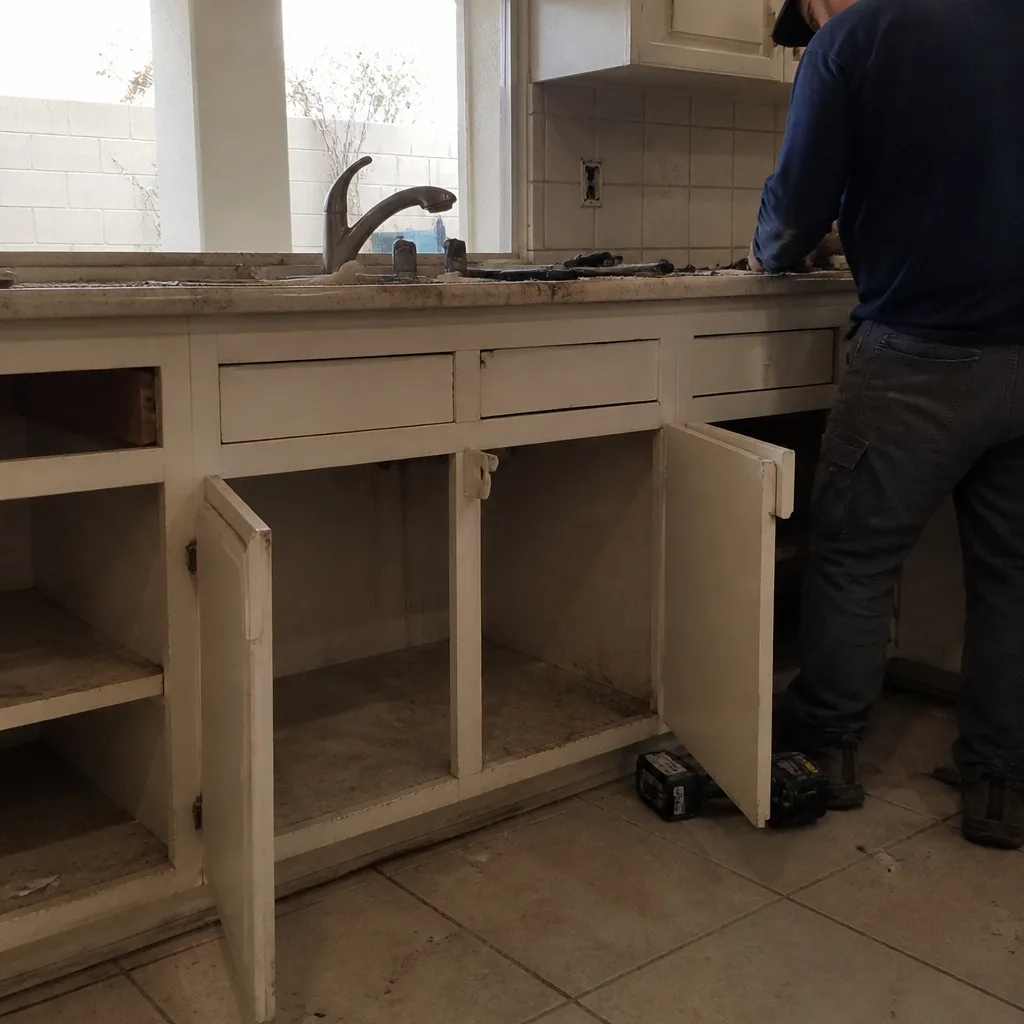 Before
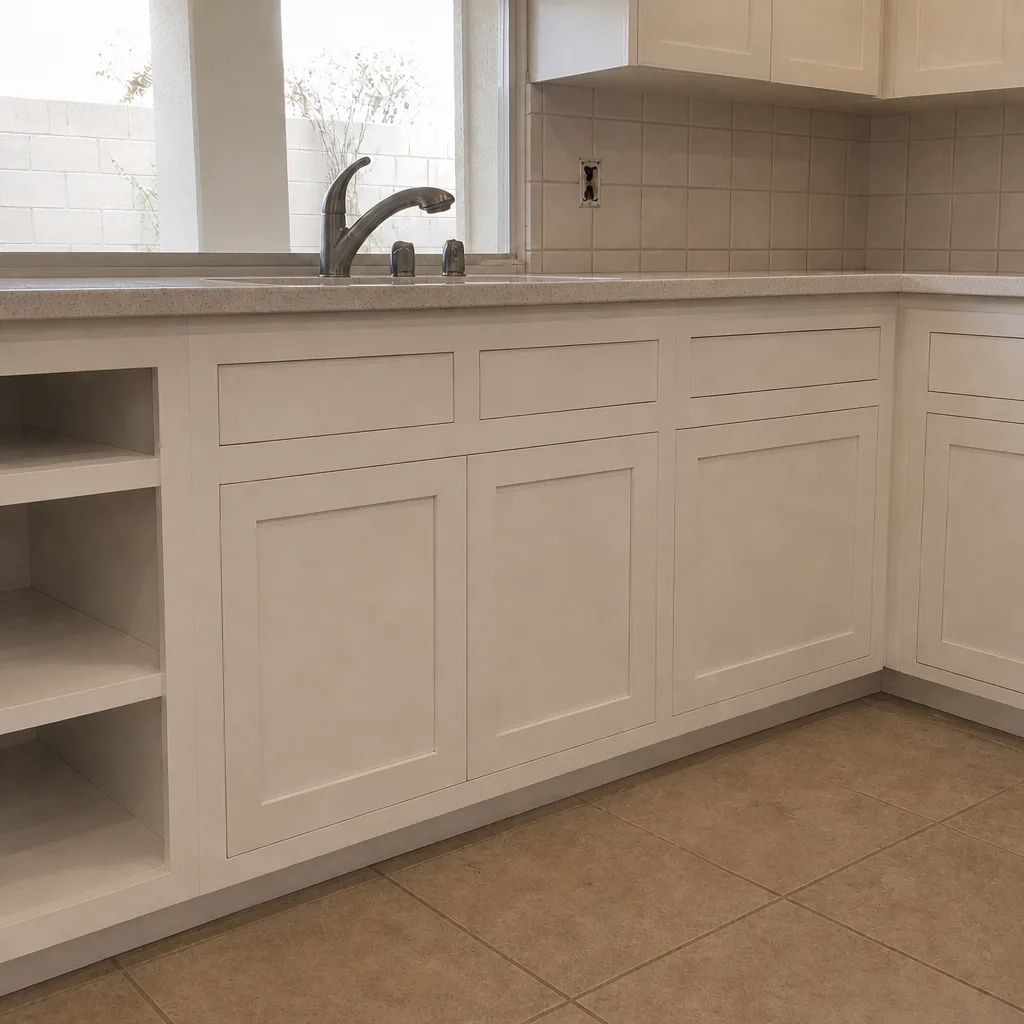 After
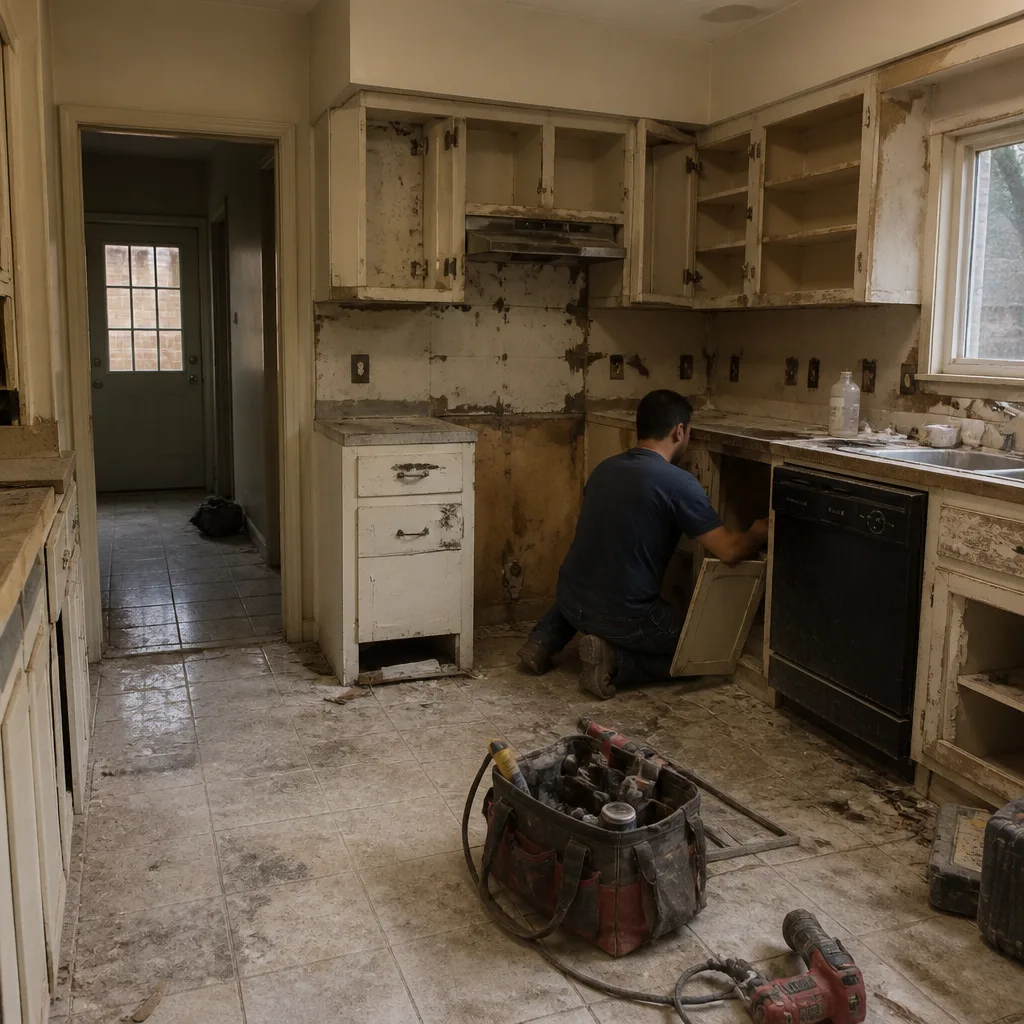 Before
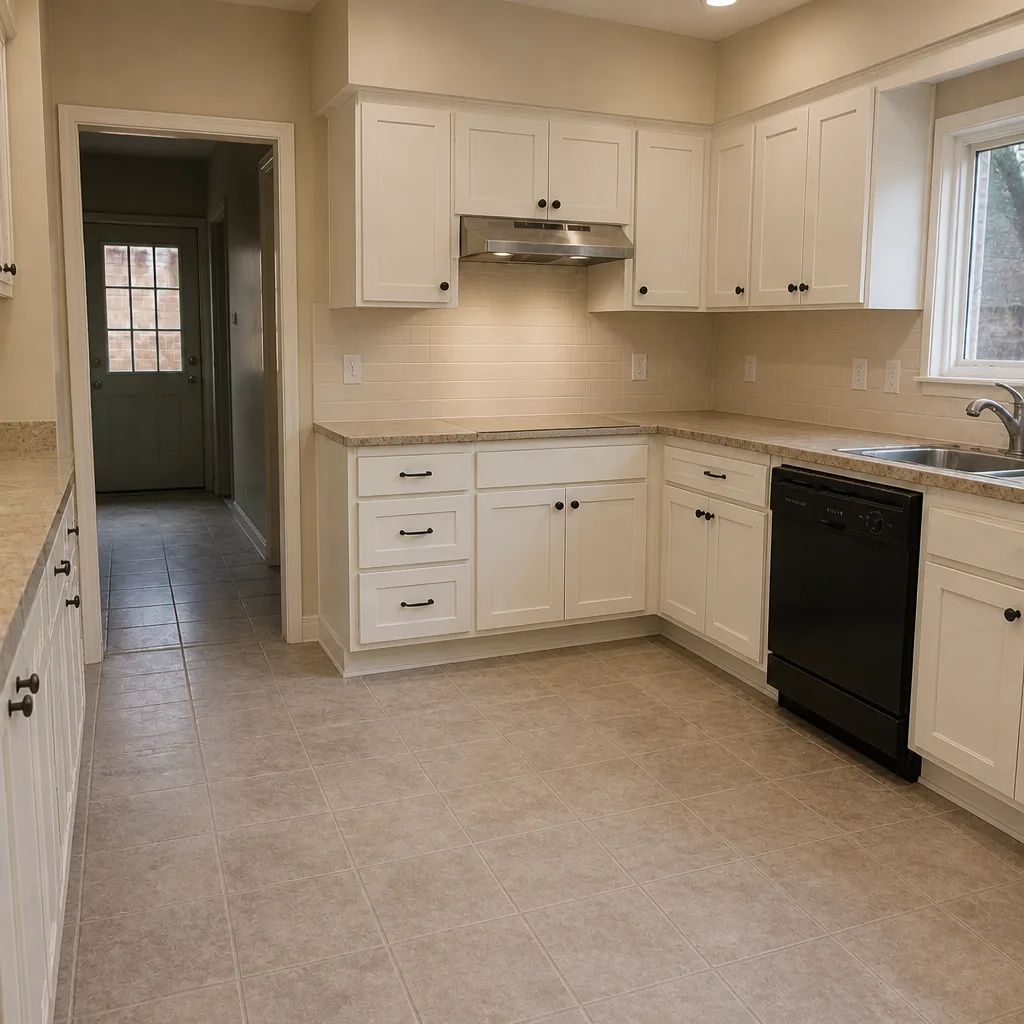 After
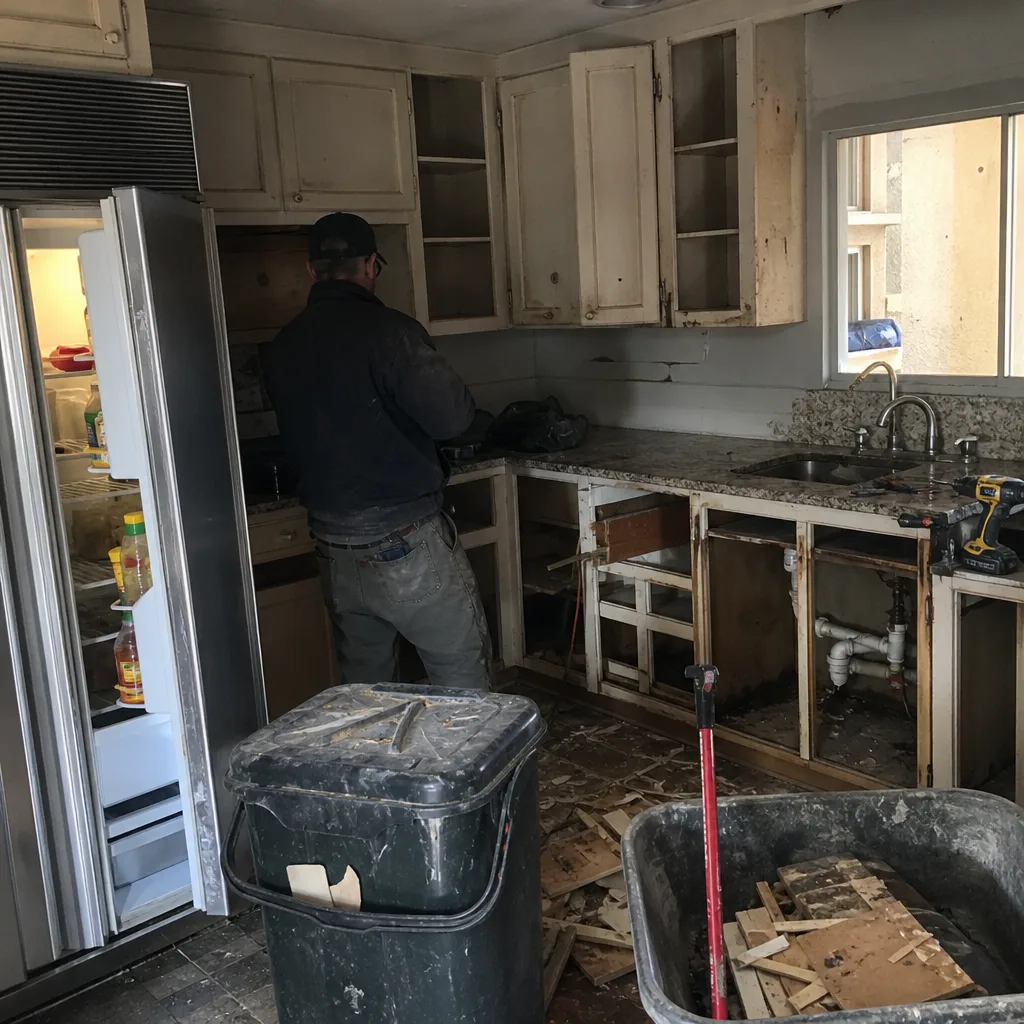 Before
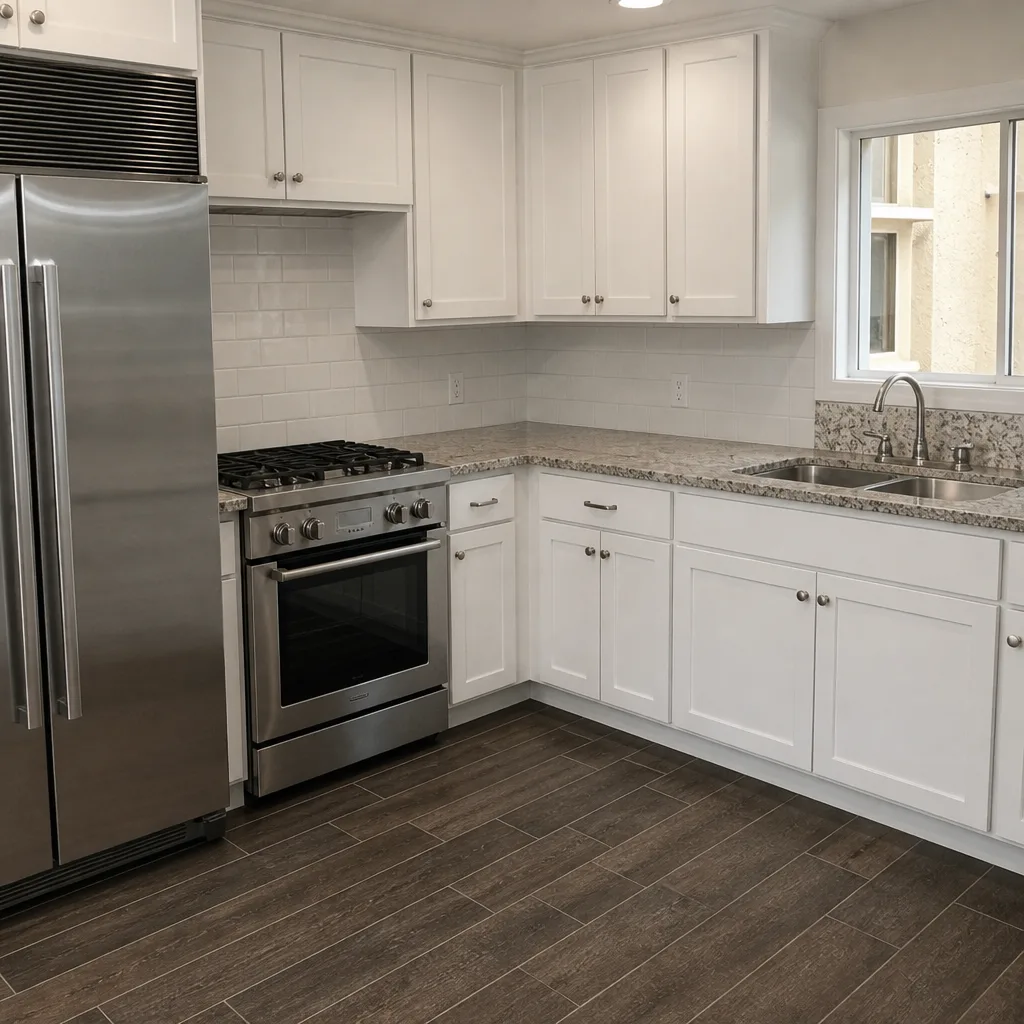 After